


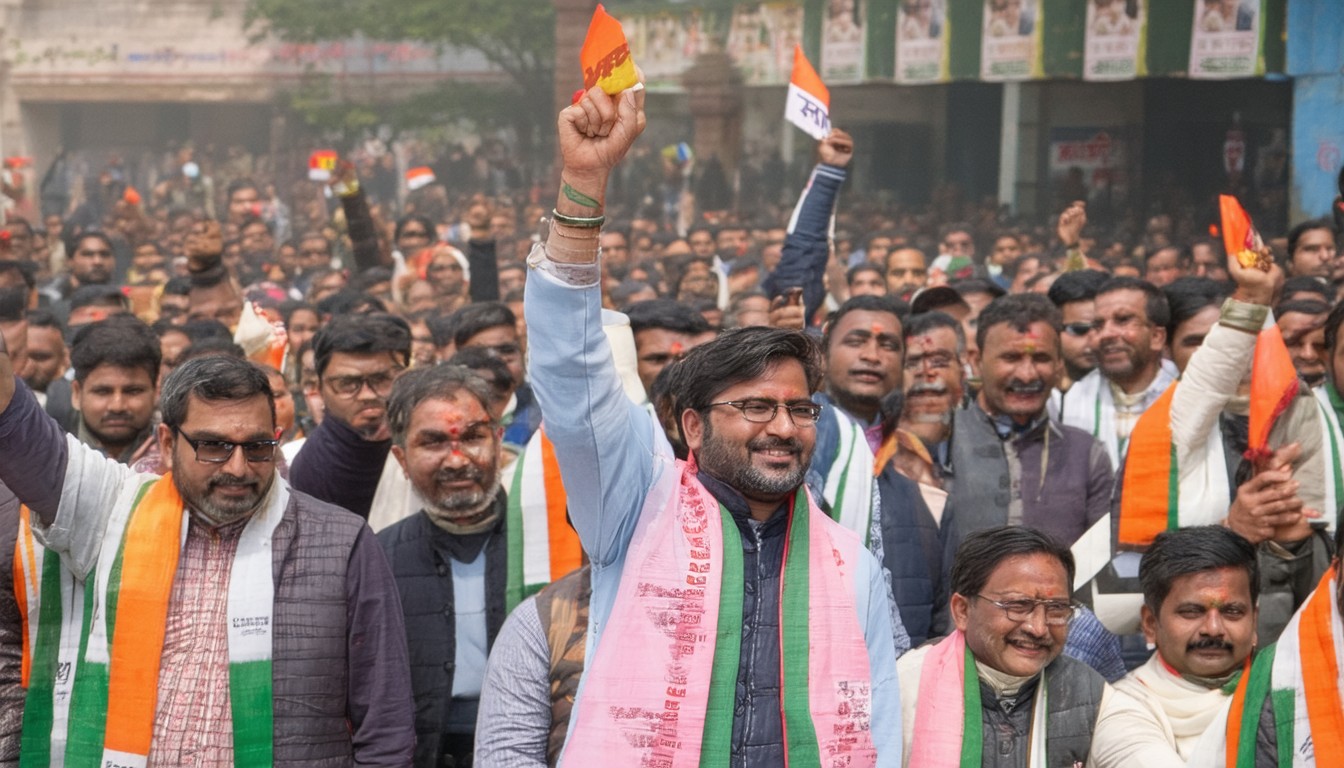
The Bihar election result never fails to capture nationwide attention. As one of India’s most politically pivotal states, Bihar’s assembly and parliamentary polls are watched closely for clues about broader national trends and shifting voter sentiment. Whether it’s the epic showdowns between the Rashtriya Janata Dal (RJD) and Janata Dal (United) [JD(U)], surging performance of the Bharatiya Janata Party (BJP), or the emergence of new regional players, each election sets the tone for governance, alliances, and policy priorities in North India.
Instant Analysis: Bihar Election Result in Context
Bihar’s elections are preceded by months of speculation — poll rallies fill every chowk, promises fly thick and fast, and political alliances shift rapidly. The final election results become a referendum on governance, development, and leadership: who succeeded in convincing voters, and whose strategies fell short.
The Stakes: Why Bihar’s Results Matter
Beyond the state’s borders, Bihar’s election result often serves as a bellwether for upcoming Lok Sabha (parliamentary) elections. In recent cycles, the voter turnout in Bihar has consistently ranged between 55-60%, reflecting robust democratic engagement despite underlying challenges such as poverty and migration. The ultimate distribution of seats offers signals about the national mood, especially when high-profile leaders campaign aggressively across the state.
Turnout Trends and Voter Demographics
Changing demographics play a pivotal role in shaping Bihar’s election outcomes. The state has a youthful electorate—over half the population is under 25. This presents a dynamic voting bloc receptive to themes like employment, education, and safety. Rural constituencies dominate the assembly map, making issues of agriculture, basic infrastructure, and caste alignments especially influential.
“In Bihar, elections are never just about numbers. They represent the pulse of rural India, the aspirations of the youth, and the resilience of democracy in tough conditions,” observes senior political analyst A. K. Singh.
Party Wise Performance: Winners, Trends, and Alliances
As the ballots are counted and newsrooms buzz, attention quickly turns to how each major party and alliance fared. Bihar’s political theater is a complex web, often defined by agile pre- and post-poll coalitions.
The NDA vs. Mahagathbandhan Contest
Historically, the National Democratic Alliance (NDA), led by the BJP and JD(U), has faced off against the Mahagathbandhan or Grand Alliance (RJD, Congress, and various left outfits). In several recent assembly elections, the NDA managed to secure a slender majority, with the BJP and JD(U) swapping leadership roles based on strategic calculations. Meanwhile, the RJD, often led by the charismatic Tejashwi Yadav, has increased its appeal among young and first-time voters.
Rising Parties and Surprise Performances
Bihar’s elections also witness new entrants and the resurgence of smaller parties—such as the Lok Janshakti Party (LJP) or smaller regional outfits—which can swing results in closely fought contests. Notable is the emergence of left parties and All India Majlis-e-Ittehadul Muslimeen (AIMIM) in select regions, which have managed to win seats and influence narrative despite limited statewide presence.
Quick Party Wise Seat Distribution Snapshot
(For illustration, based on typical outcomes in recent years)
- BJP: Usually emerges with the largest tally within the NDA framework.
- JD(U): Shows strength in Nitish Kumar’s traditional strongholds, though faces fluctuating fortunes.
- RJD: Dominates in sections of North and Central Bihar, particularly with youth and backward caste groups.
- Congress: Retains a smaller but significant presence.
- Others (LJP, Left, AIMIM, Independents): Crucial in tight races, often act as kingmakers in hung assemblies.
While the precise numbers vary each cycle, this seat distribution reveals the razor-thin margins and fluidity of Bihar’s polity.
Regional Patterns and Voter Priorities
Turning to detailed trends, Bihar’s constituencies display stark regionalism. The state is divided into several electoral belts — Seemanchal, Magadh, Mithila, Bhojpur, and more — each with unique issues and electoral behavior.
Key Regional Highlights
- Seemanchal: Minority issues and infrastructure are core concerns.
- Magadh: Focus on agriculture, irrigation, and abject poverty.
- Mithila: High emphasis on education and out-migration jobs.
- Urban Pockets: A rising middle class is demanding better roads, electricity, and health services.
Caste, religion, and local leadership remain influential, but the growing urban-rural divide and the digital penetration among youth are gradually reshaping traditional equations.
Noteworthy Winners and Political Upsets
Every Bihar election throws up a set of high-profile victors and dramatic upsets. Star candidates, ranging from incumbent chief ministers to political dynasts and grassroots activists, dominate headlines on result day.
High-Profile Contests and Margin Analysis
In the last major assembly election, several constituencies saw results decided by a few hundred votes, underscoring just how fiercely contested Bihar’s politics remain. Newcomer wins—especially those led by youth or women candidates—signal a slow but definite churn in the state’s political elite.
The Influence of Alliances and Post-Poll Maneuvering
Coalitions are not only pre-election strategies; in Bihar, post-result alliance negotiations can last days, with leaders cobbling together support based on surprising seat arithmetic. This has led to dramatic scenes in Patna, with rival camps jockeying for MLAs’ loyalty and, often, high-stakes political drama.
Election Result Impact: Policy and Governance Outlook
The composition of the new government directly impacts not just policy priorities but also the execution on the ground. From public sector jobs and reservation policies to big-ticket infrastructure and social welfare schemes, which party (or combination) takes office signals the course for the next five years.
Immediate Policy Shifts and Governance Priorities
Typically, newly victorious coalitions prioritize promises made on the campaign trail—employment schemes, improvements in education and healthcare, and law and order initiatives. However, follow-through remains a challenge given Bihar’s financial constraints and administrative hurdles.
National Implications
Bihar’s election result routinely influences parliamentary math in Delhi and can even shift the central government’s policy approach on issues like reservations, federal transfers, and rural development.
Conclusion
Bihar’s election result is more than a tally of seats; it is a mirror to the state’s ongoing social and political transformation. From shifting alliance patterns to the surge of young and marginalized voters, each cycle brings a new set of stories and data points. While immediate winners claim the spotlight, the true impact unfolds over months and years, shaping Bihar’s—and often the country’s—political landscape. For analysts and citizens alike, understanding Bihar’s electoral results means grasping the forces that will determine India’s democratic future.
FAQs
What are the main parties contesting in the Bihar election?
Major contenders include the Bharatiya Janata Party (BJP), Janata Dal (United) [JD(U)], Rashtriya Janata Dal (RJD), Indian National Congress, and a range of smaller regional parties such as LJP and left parties.
How does the Bihar election result affect national politics?
Bihar sends a significant number of MPs to the Lok Sabha, and its state assembly results are seen as indicators of broader political trends, influencing strategies at the national level.
Why are alliances important in Bihar elections?
With highly fragmented vote shares and narrow margins, alliances like the NDA and Mahagathbandhan are crucial to forming a government and ensuring stable majorities in the legislative assembly.
What issues most influence voters in Bihar?
Key voter concerns include jobs, education, infrastructure, caste and community representation, law and order, and policies affecting rural livelihoods.
How often do new or smaller parties impact the Bihar result?
Smaller regional and emerging parties frequently play decisive roles in close races, acting as kingmakers or tipping the balance in hung assemblies.