


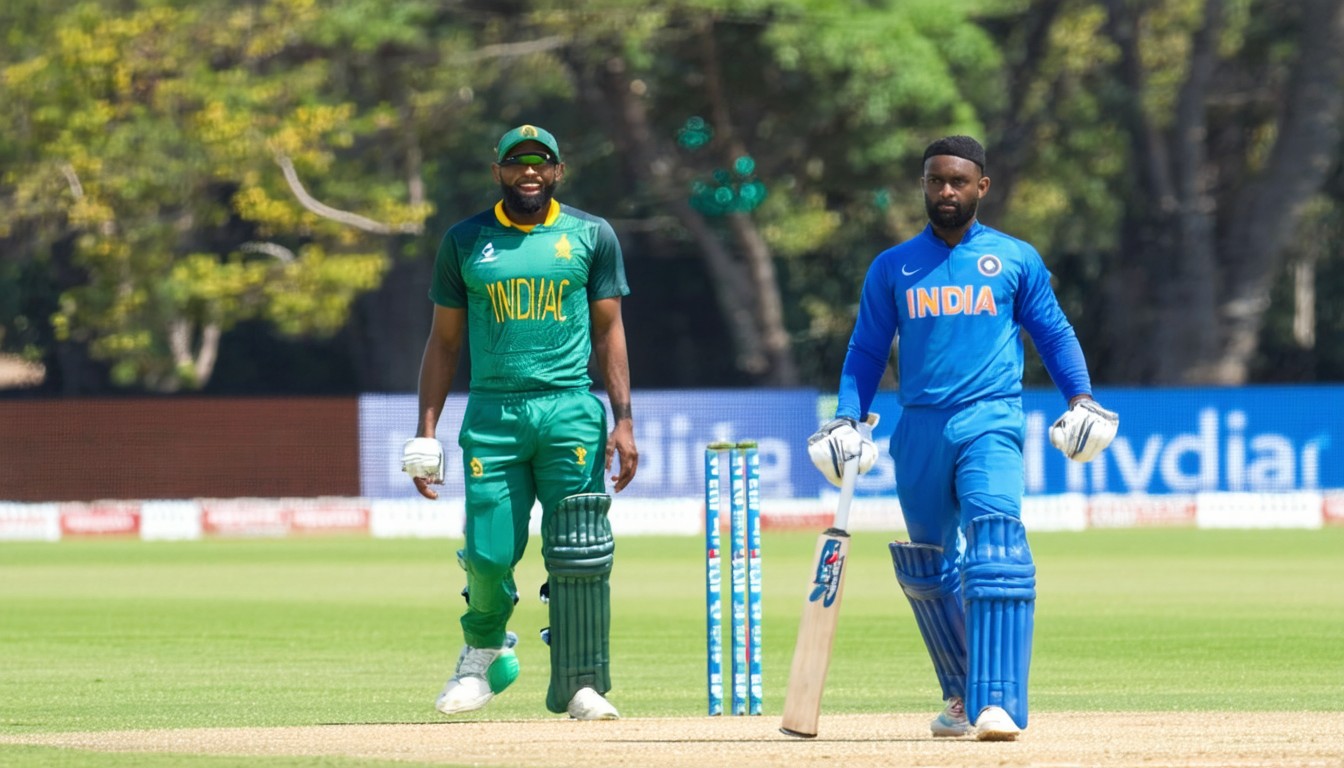
Few rivalries in world cricket are as layered and fascinating as that between the South Africa national cricket team and the India national cricket team. Their encounters stretch from complex historical beginnings to glitzy, high-stakes modern contests, reflecting not just changes in sport but also shifts in global politics, culture, and identity. Exploring the timeline of this rivalry reveals how each country has evolved as a cricket force and how their meetings have shaped cricketing history.
Early Encounters: Foundations Amidst Change
Cricket diplomatic relations between South Africa and India began amid major transitions. South Africa was suspended from international cricket due to apartheid from 1970 until the early 1990s. When the country’s return became possible, India played a crucial role by hosting South Africa’s first official matches post-ban in 1991.
This three-match ODI series, held in India, marked South Africa’s readmission to world cricket. Led by Clive Rice, the South Africans were greeted with packed stadiums and intense curiosity. India won the series 2-1, but the real victory was cricket’s power in bridging divides and symbolizing reconciliation.
Highlights from the 1991 Series
- First ODI: Kolkata – South Africa’s first ODI victory after readmission.
- Series result: India 2, South Africa 1.
- Larger significance: Beginning of a modern rivalry and sports diplomacy.
“Sport can do what politics cannot—bring people together and foster new beginnings,” noted cricket historian Boria Majumdar reflecting on the 1991 India-South Africa series.
Tests and One-Day Clashes Through the 1990s
As the decade progressed, the two teams met in multiple formats. The keenly contested 1992 Test series in South Africa was India’s first full tour of the country. South Africa’s pace attack, with the likes of Allan Donald, often outclassed Indian batsmen unused to quick, bouncy pitches, but not without memorable individual performances from legends like Mohammad Azharuddin and Kapil Dev.
Key series during this period included:
- 1992-93 Test Series in South Africa: South Africa won 1-0.
- 1996-97 Test and ODI Series in India: India won the one-off Test but South Africa clinched the ODI series.
- India’s batting greats, including Sachin Tendulkar and Mohammad Azharuddin, began making their mark, while South Africa’s all-round dominance, especially with bowlers like Shaun Pollock, became evident.
2000s: The Contest Intensifies
The turn of the millennium saw fiercely competitive series, with both sides boasting world-class talent. South Africa’s consistency in Test matches remained a talking point, but India’s rise—especially at home—narrowed the margins.
Notable Series and Turning Points
- 2000-01 series in India: Marked by Hansie Cronje’s leadership and a major match-fixing scandal that shook cricket globally.
- 2006-07 Series in South Africa: India claimed its first-ever Test win on South African soil at Johannesburg, signaling growing adaptability. Sreesanth’s fiery bowling and VVS Laxman’s resilience captured fans’ imaginations.
- 2009-10: Sachin Tendulkar’s double century in Gwalior against South Africa set a new standard for ODI excellence; South African quicks like Dale Steyn routinely posed stern tests in Test cricket.
Modern Era: Rivals in All Formats
In recent years, both teams have vied for supremacy across formats—Tests, ODIs, and T20s. Their contests are marked not only by skill but the pressure of ICC tournaments, especially Cricket World Cups and the ICC World Test Championship.
Trends in the 2010s and Beyond
- Home Advantage: Each team has largely dominated on home soil, with few away victories—a testament to challenging, contrasting conditions.
- 2018 Test Series: India lost 2-1 in South Africa but showed remarkable fighting spirit, especially in Johannesburg’s “Pitch of Fire” Test.
- World Cup Clashes: High-profile World Cup meetings, such as in 2011, 2015, and 2019, have often been closely fought, influencing knockout routes.
Emerging Players and Shifting Strategies
With the likes of Virat Kohli, Kagiso Rabada, Jasprit Bumrah, and Quinton de Kock, the contests now feature high-octane pace battles and explosive batting. Tactical evolution is a hallmark, with both nations leveraging advanced analytics and fitness regimes.
Evolution of the Rivalry
- From post-apartheid renewal to IPL-driven camaraderie (with many South Africans starring in the Indian Premier League), the teams’ relationship is now multifaceted.
- Off-field, cricket boards have collaborated extensively, benefiting both nations commercially and in talent development.
Key Statistical Milestones in the Timeline
- Nearly every format has seen India and South Africa trading historic victories.
- Test matches: South Africa has historically held the edge at home; India holds sway on subcontinental pitches.
- ODIs: The balance has shifted over time, but contests remain exceptionally close.
- T20s: With both sides sporting attacking line-ups, matches often go down to the last overs.
Impact Beyond the Boundary
The significance of South Africa vs India matches goes beyond the results. For South African cricket, India’s support during the re-admission phase symbolized global acceptance—something no stat can quantify. For India, tours to South Africa are seen as the ultimate test for batsmen and an opportunity for fast bowlers to prove themselves.
“When India tours South Africa, both teams know they are facing not just a match, but a comprehensive test of skills, adaptability, and mental toughness,” cricket analyst Harsha Bhogle has observed.
Beyond cricket, these bilateral ties have fostered business, travel, and educational exchanges, cemented by the soft power of sport.
Summary: A Rivalry Still in Motion
The South Africa national cricket team vs India national cricket team timeline tells the story of two cricketing powers shaping each other’s legacies—on fields from Johannesburg to Kolkata and in World Cup pressure cookers. Memorable performances, dramatic series, and mutual growth have marked this timeline. As both teams continue to evolve, fans can expect the rivalry to produce new chapters—each event a reflection not just of sporting prowess but of resilience, reinvention, and shared history.
FAQs
When did South Africa and India first play each other in international cricket?
Their first official contest after South Africa’s re-admission took place in 1991 during a three-match ODI series in India, signaling the country’s return to the international cricket fold.
Which team has won more Test matches in their head-to-head history?
Historically, South Africa has maintained an advantage, especially at home, while India has enjoyed better results on their own pitches. The balance remains competitive and closely watched by fans.
What are some memorable series between the two teams?
Notable moments include India’s first Test win in South Africa in 2006, Sachin Tendulkar’s iconic double century in 2010, and fiercely contested World Cup matches with high stakes and dramatic finishes.
How do conditions affect contests between South Africa and India?
Pace-friendly conditions in South Africa usually benefit the home team, while India’s spin-friendly pitches create challenges for visiting sides. Home advantage continues to play a significant role in series outcomes.
Have players from both teams participated together in other leagues?
Many South African players, such as AB de Villiers and Faf du Plessis, have become stars in the Indian Premier League (IPL), fostering camaraderie and mutual respect between players off the international stage.
What does the future hold for this cricket rivalry?
With both nations continuing to nurture strong talent and embrace tactical innovation, the South Africa vs India rivalry is expected to thrive, fueling sporting drama and mutual growth for years to come.