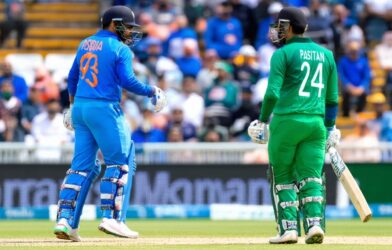



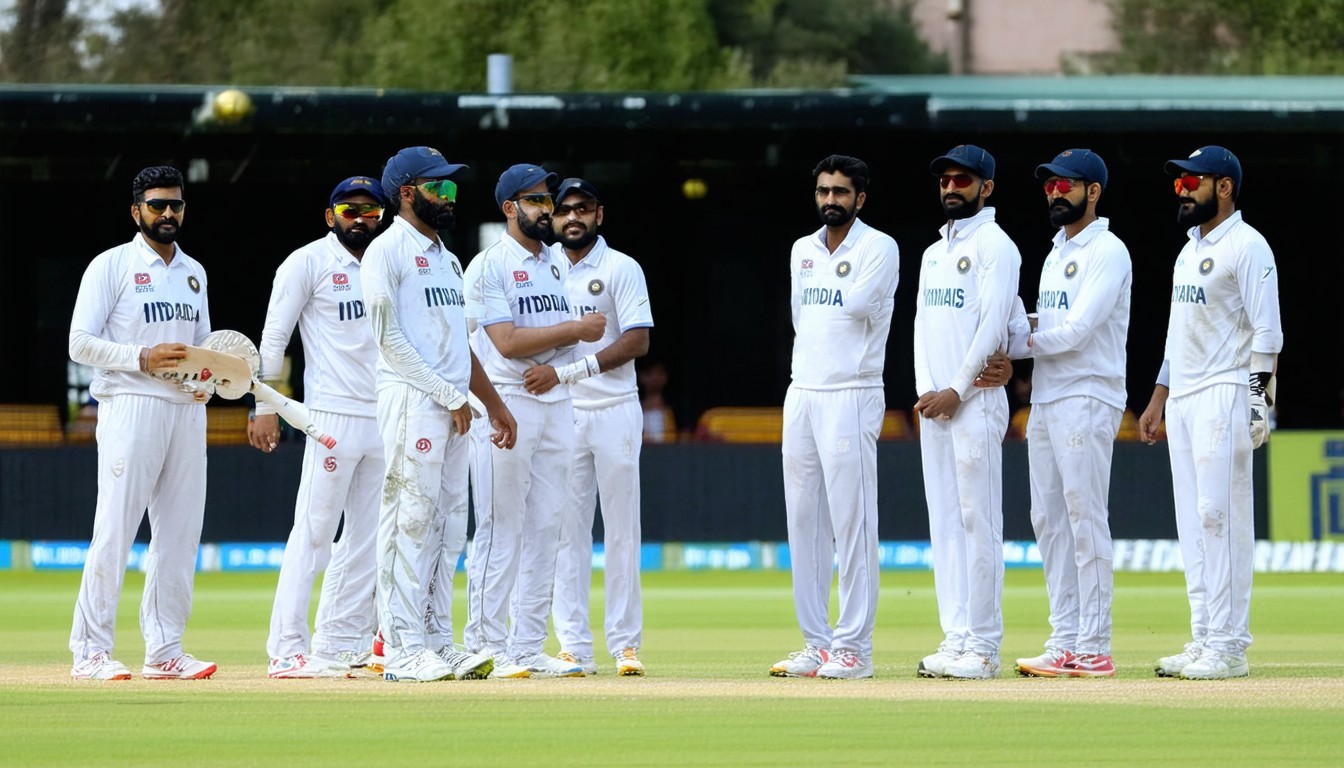
Cricket, celebrated as a religion in India and gaining rapid traction in the United Arab Emirates (UAE), brings together nations with vastly different cricketing legacies. Whenever the India National Cricket Team faces the United Arab Emirates National Cricket Team, fans witness a compelling narrative: cricketing giants versus spirited contenders. This matchup goes beyond just numbers on a scoreboard; it’s a story of experience, growth, and potential.
India, a cricket superpower with a storied past, fields some of the world’s top-ranked athletes—players whose names feature regularly in record books. Conversely, the UAE, a relatively young cricketing nation, is emerging as a dependable associate team, fueled by a growing South Asian diaspora and increased grassroots investment. Understanding the players from both sides illuminates larger trends within international cricket.
Player Profiles: India’s Star Power and UAE’s Emerging Talent
India National Cricket Team Players: Global Icons
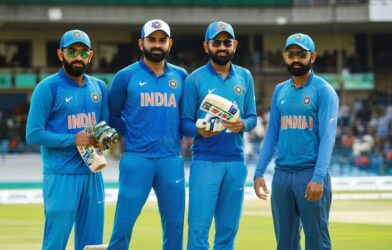
India’s national cricket squad has historically boasted a lineup of globally renowned superstars. The likes of Virat Kohli, Rohit Sharma, and Jasprit Bumrah are not only household names in India but command respect internationally.
- Virat Kohli: Known for his aggressive batting and unwavering consistency. Kohli has been a pillar for India in all formats, accumulating runs at a rate matched by few.
- Rohit Sharma: The current captain in limited-overs formats, Sharma is renowned for his ability to convert starts into monumental centuries, holding the record for the highest individual ODI score.
- Jasprit Bumrah: One of the most effective fast bowlers of recent times, Bumrah’s unorthodox action and control have made him indispensable.
- Ravindra Jadeja: Valued for his all-round abilities, Jadeja’s sharp fielding and handy contributions with both bat and ball give India depth.
These players come up through a rigorous system—IPL stardom, domestic first-class cricket, and age-group competitions—that continually produces world-class cricketing talent. According to cricket analyst Harsha Bhogle:
“India’s bench strength today is the envy of the cricketing world. The sheer depth of talent makes them formidable opponents in any format.”
United Arab Emirates National Cricket Team Players: Passionate Newcomers
The UAE’s cricket team draws on a multinational talent pool, including players originally from cricket-rich nations such as Pakistan, India, and Sri Lanka. While they lack the star power of India, their squad is defined by resilience and aspiration.
- Ahmed Raza: A seasoned all-rounder and frequent captain, Raza is known for his leadership and left-arm spin.
- Chirag Suri: One of the few UAE-born players, Suri has made an impression with his solid batting performances.
- Rohan Mustafa: A key player with bat and ball, Mustafa’s performance often influences UAE’s success.
- Muhammad Usman and Zahoor Khan: Reliable middle-order batsman and skillful fast-medium bowler, respectively.
These players typically build careers balancing full-time jobs and cricketing commitments—a mark of their dedication. The UAE Cricket Board has made concerted efforts recently to professionalize the setup, hosting major T20 leagues that attract international attention.
Head-to-Head Encounters: Experience Versus Aspiration
Match Dynamics and Historic Results
When India and the UAE clash on the field, the matches often serve as a barometer of the widening or narrowing gulf between full member and associate teams. In World Cups and Asia Cups, India traditionally dominates, with win margins reflecting their superior resources and depth.
For example, in the ICC Cricket World Cup 2015 group stage, India defeated the UAE convincingly, underlining the differences in skill levels. However, the matches also highlight moments of individual brilliance by UAE players—memorable wickets or fighting half-centuries that win respect if not the game itself.
Key Matchups to Watch
While the outcome may seem predictable, the real intrigue lies in individual battles:
– UAE bowlers testing Indian top-order batsmen under swing-friendly conditions.
– Indian spinners targeting UAE’s relatively inexperienced middle order.
– UAE fielders aiming to restrict Indian batsmen, often learning from and emulating their Indian counterparts’ discipline.
On occasion, UAE players have risen to the challenge, producing memorable moments such as running out established Indian batsmen or staving off defeat with late partnerships.
Beyond Numbers: The Human Element and Cricket Diplomacy
On the surface, the disparity between the teams’ rankings and achievements is stark. However, these encounters foster something deeper—a sense of camaraderie and mutual respect. For the UAE, facing India is both an education and an opportunity to test themselves against the very best.
The Indian team’s professionalism often sets a benchmark for associate nations. Indian cricketers frequently engage with UAE players and coaches, offering insights and training tips during bilateral events or ICC-run clinics in Dubai and Abu Dhabi.
Cricketing ties are further cemented by shared cultural heritage; a significant portion of the UAE population consists of Indian expatriates who enthusiastically support both teams.
Recent Trends: Growing Competitiveness and Investment
UAE’s Strategic Investments in Cricket
In recent years, the UAE has invested heavily in cricketing infrastructure, hosting tournaments such as the Indian Premier League (IPL) and T20 World Cup matches. These events bring world-class standards to local venues, exposing UAE players to elite athletes and raising the profile of their domestic competitions.
Moreover, the launch of the UAE’s own franchise leagues has created new professional pathways for homegrown players and increased the visibility of the Emirates in world cricket.
India’s Continued Evolution
For India, series against emerging teams like the UAE provide an occasion to test new talent, experiment with strategies, and reinforce cricket’s role as a diplomatic bridge.
The Indian Premier League’s frequent presence in the UAE allows for cross-pollination: local players share nets and knowledge with some of cricket’s greatest names, accelerating their exposure to top-tier standards. The effect is marked—a new generation of cricketers in the UAE cites IPL idols as direct inspirations.
“These multinational encounters play a pivotal role in raising the standard of associate cricket while reinforcing India’s position as both cricket powerhouse and ambassador,” observes former player and coach Lalchand Rajput.
Conclusion: The Future of India vs UAE Cricket Encounters
When the India National Cricket Team faces the United Arab Emirates National Cricket Team, the match goes beyond wins and losses. It is a vivid reflection of cricket’s global expansion and the shifting tides of talent, aspiration, and cultural connection. India’s star-studded roster delivers lessons in excellence, while the UAE’s rising stars bring fresh energy and new stories.
Looking ahead, increased investment in grassroots development and continued collaboration promise to reduce the gap. As the UAE’s playing standards accumulate, future contests may yield more competitive narratives, embodying cricket’s ideal of growth through competition.
FAQs
How often have India and UAE played against each other in international cricket?
India and the UAE have only met a handful of times in official ICC tournaments, such as the Cricket World Cup and Asia Cup. These matches are infrequent due to differing rankings and competitive tiers.
Who are the most famous players for the India national team in these matchups?
Virat Kohli, Rohit Sharma, and Jasprit Bumrah have all featured prominently in contests against the UAE, typically contributing strong performances with either bat or ball.
What is the major difference in cricket systems between India and the UAE?
India has a well-established domestic structure and the IPL, producing world-class talent regularly. In contrast, the UAE relies on a mix of local and expatriate players, and its cricketing infrastructure is still developing, though advancing rapidly.
How has playing against India helped UAE’s players?
UAE players often cite these encounters as invaluable learning experiences. They gain exposure to high-pressure international cricket and insights into elite preparation and strategy.
Are any UAE players originally from India?
Yes, several UAE team members have roots in India or the broader South Asian region due to the country’s large expatriate community, though eligibility rules govern national representation.
What does the future hold for UAE cricket?
With sustained investment in facilities and talent development—plus exposure through league cricket and international matches—the UAE is set for gradual improvement and broader recognition in the cricketing world.