


The relationship between India and Pakistan is widely regarded as one of the world’s most complex and closely watched. Both countries—marked by a shared colonial legacy, cultural similarities, and decades of political divergence—frequently make international headlines. News from the region covers a spectrum: from border tensions to diplomatic overtures, cricket diplomacy, economy, and social initiatives breaking barriers. Staying informed about India-Pakistan news requires understanding not only day-to-day developments but also the deep-rooted context driving events on both sides of the border.
Latest Developments on the Diplomatic Front
In recent years, the diplomatic landscape between India and Pakistan has fluctuated, with periods of high tension often interrupted by dialogue attempts. The suspension of official talks is not uncommon; yet, back-channel communications and multilateral meetings remain open avenues. For example, the 2019 Pulwama attack and the subsequent Balakot airstrike led to a dramatic escalation. Months later, leaders on both sides signaled readiness for peace, especially under international pressure.
Episodic steps like the 2021 reaffirmation of the 2003 ceasefire agreement along the Line of Control (LoC) have contributed, at times, to a reduction in cross-border incidents. According to statements from the Indian Army, incidents of gunfire and shelling fell sharply post-agreement, offering cautious hope for a more stable border environment.
However, diplomatic breakthroughs have often been short-lived, with core disputes—including the status of Jammu and Kashmir, terrorism allegations, and water-sharing—returning to the fore. Expert Ayesha Jalal, a South Asia scholar, sums up the challenge:
“For sustained peace, both countries must move beyond reactive diplomacy and invest in comprehensive confidence-building—especially around issues that directly impact everyday life on both sides.”
Border Issues and Security: Persistent Flashpoints
Despite occasional diplomatic warmth, the India-Pakistan border remains heavily militarized. News from border areas often highlights ceasefire violations, infiltration attempts, and local civilian hardships. The LoC, demarcating Indian and Pakistani-controlled portions of Jammu and Kashmir, is particularly tense.
Military analysts note that modern surveillance measures, including drones and night vision equipment, are increasingly being deployed on both sides. While these technologies enhance monitoring, they sometimes lead to miscalculations or accidental crossings, sparking local crises. Ultimately, the underlying issues fueling militarization—unresolved territorial claims and mutual mistrust—keep the region on edge.
Beyond the high-profile LoC, the international border in Punjab and Rajasthan witnesses regular security updates, especially linked to counter-smuggling and anti-terror initiatives. Periodic talks between border security forces offer a forum to address developments on the ground, but breakthroughs have been incremental.
Trade, Economy, and the Pause on Connectivity
Until recently, cross-border trade offered a rare example of practical cooperation between India and Pakistan. Trade via official routes—primarily the Attari-Wagah border—had reached hundreds of millions of dollars annually, supporting thousands of livelihoods in Punjab and beyond. However, after the escalation in bilateral tensions in 2019, Pakistan suspended most trade with India. The impact was immediate, disrupting supply chains, particularly for agricultural goods.
While informal trade persists through third countries and border markets, the loss of official connectivity is keenly felt. According to business leaders in Amritsar and Lahore, reopening trade channels would benefit small farmers and artisans more than major corporations. At the same time, both governments link economic normalization to progress on diplomatic and security issues.
The Kartarpur Corridor: Symbolic Collaboration
Despite the broader freeze, the inauguration of the Kartarpur Corridor in November 2019 stands out as a milestone in bilateral ties. This visa-free corridor allows Indian Sikh pilgrims to visit one of their holiest shrines, Gurdwara Darbar Sahib, just inside Pakistani territory. The initiative is lauded as a breakthrough in people-to-people contact, although COVID-19 and periodic security incidents have affected access.
“Projects like Kartarpur Corridor can serve as blueprints for future cooperation by focusing on shared cultural and humanitarian interests.”
Media, Misinformation, and the News Cycle
Reporting on India-Pakistan relations is itself a battleground, with media outlets on both sides amplifying national narratives. Social media adds urgency and complexity, with the rapid spread of fake news and propaganda often fueling tensions or panic.
Independent researchers and fact-checkers regularly stress the need for critical consumption of cross-border news. Recent years have seen a growing focus on verifying viral claims, especially around election cycles, military skirmishes, or major diplomatic statements. Foreign correspondents—based in New Delhi, Islamabad, or international capitals—play a crucial role in providing balanced perspectives, though access to conflict zones remains highly restricted.
Cricket Diplomacy, Cultural Ties, and People Power
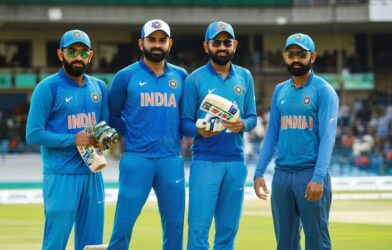
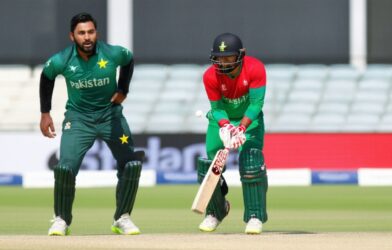
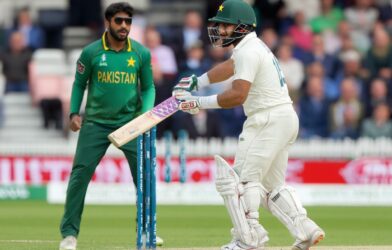
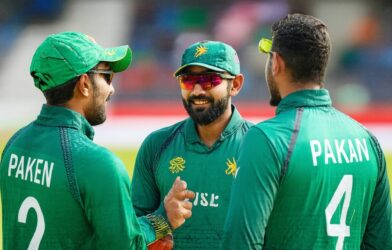
Sport and culture are powerful threads binding the people of India and Pakistan, offering moments of unity even in times of political discord. Nowhere is this more apparent than in cricket, where matches between the two countries attract global audiences and immense emotional investment. While sports events can become flashpoints, they also foster dialogue and, on occasion, serve as ice-breakers for diplomatic engagement.
Cultural exchanges, from Bollywood films to classical music and poetry, resonate deeply across the border. Joint art festivals, academic conferences, and social media collaborations by youth groups showcase an often-overlooked desire for connection at the grassroots level—even when governments are at odds.
Charting the Road Ahead: Persistent Challenges, Glimpses of Hope
Looking forward, the relationship between India and Pakistan is likely to be defined by cycles of tension and sporadic dialogue. While the media often highlights crisis moments, many diplomats and analysts believe that incremental progress—especially around trade, humanitarian issues, and direct communication—offers a way forward. Third-party mediation remains limited, but multilateral forums such as the Shanghai Cooperation Organisation (SCO) provide occasional channels for discussion.
The resilience of cross-border family ties, the growth of independent media, and the success of initiatives like the Kartarpur Corridor suggest that public opinion remains a critical force. As veteran journalist Barkha Dutt notes:
“People-to-people engagement is not just a cliché—it is one of the few things leaders on both sides cannot afford to ignore if they seek lasting stability.”
Conclusion
The India-Pakistan news cycle is a mix of high-stakes diplomacy, hard security realities, resilient cross-border communities, and cultural interconnections. Tensions may dominate headlines, but stories of cooperation and shared heritage persist beneath the surface. Staying informed, questioning sources, and recognizing the human dimension are essential for understanding the ever-evolving dynamic between the two nations. In a region often marked by volatility, incremental collaboration—however tentative—remains crucial to breaking the deadlock.
FAQs
What are the main issues driving India-Pakistan tensions?
Disputes over Kashmir, terrorism allegations, and water-sharing are persistent sources of conflict. Occasional border incidents and broader regional rivalries further complicate the relationship.
Is trade currently active between India and Pakistan?
Official bilateral trade has mostly been suspended since 2019, though informal trade through third countries and border regions continues to some extent.
Has there been any recent diplomatic progress?
There are periodic attempts at dialogue and confidence-building, such as the reaffirmation of the 2003 LoC ceasefire agreement and the Kartarpur Corridor opening. However, breakthroughs remain limited.
Why is the media coverage so polarized on India-Pakistan news?
Both countries’ media often reflect national perspectives, sometimes amplifying tensions or misinformation. Critical analysis and fact-checking are important for a fuller understanding.
What role does cricket play in India-Pakistan ties?
Cricket matches are major events watched by millions, serving as platforms for both rivalry and connection. At times, cricket diplomacy has helped restart dialogue between the two governments.
Are there signs of improvement in people-to-people relations?
Despite political tension, cultural, educational, and faith-based exchanges—such as those enabled by the Kartarpur Corridor—show ongoing demand for contact at the grassroots level.