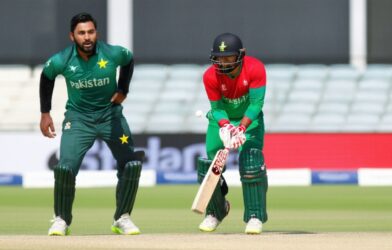



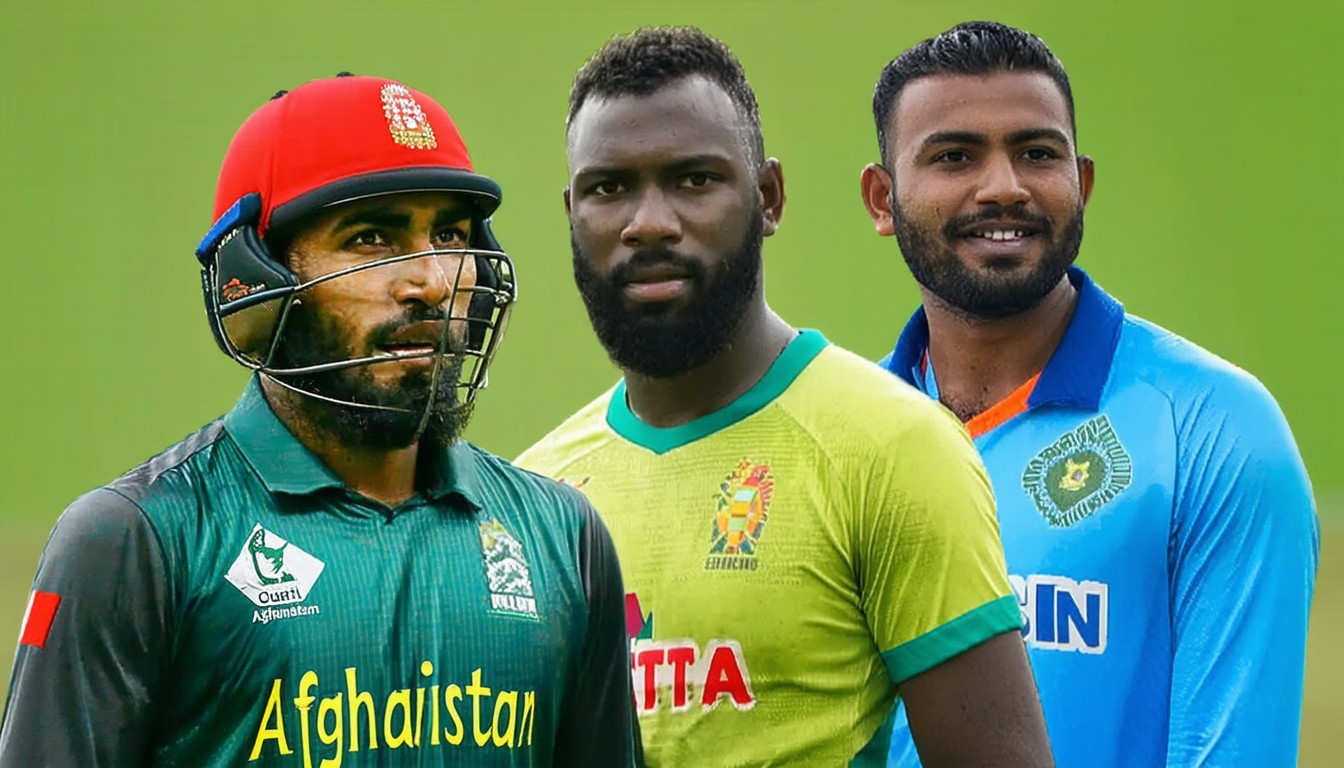
The rivalry between Afghanistan and Zimbabwe in international cricket has grown increasingly compelling in recent years. Once seen as two emerging sides fighting for a share of the limelight, both teams now command respect for their resilience and progression on the world stage. From white-ball one-dayers in Sharjah to tight T20 contests in Bulawayo, Afghanistan vs Zimbabwe offers a fascinating clash of styles, talent, and ambition, driven by evolving team dynamics and a hunger for international recognition.
Head-to-Head Record and Recent Form
Historical Overview of Encounters
The Afghanistan vs Zimbabwe rivalry began in earnest in the mid-2010s when both teams were seeking stability in the International Cricket Council’s (ICC) second tier. Since then, Afghanistan has established a notable upper hand, particularly in limited-overs formats. The record shows that Afghanistan has won a significant share of bilateral ODIs and T20Is against Zimbabwe, often dominating with both bat and ball. Their positive head-to-head balance can be traced back to the rise of talents like Mohammad Nabi, Rashid Khan, and Rahmanullah Gurbaz.
Recent Series Snapshot
In recent clashes, Afghanistan maintained their ascendancy, clinching key series both home and away. For instance, their 3-0 whitewash in Zimbabwe in 2022 was underpinned by Rahmat Shah’s consistency and the spin trio’s effectiveness. Zimbabwe, for their part, has shown patches of brilliance—Sikandar Raza’s all-round heroics remain a highlight, while bowlers like Blessing Muzarabani and Richard Ngarava have tested Afghan batters with variable bounce and seam.
“Afghanistan’s sharp learning curve in international cricket has put them on a trajectory similar to what Bangladesh experienced in the 2000s—quick adaptation, focus on core strengths, and boldness in selection,” notes renowned analyst Harsha Bhogle. “Zimbabwe, though unpredictable, always field competitors capable of turning a match on its head.”
Squad Analysis: Strengths, Weaknesses, and X-factors
Afghanistan: Spin Power and Emerging Batting Lineup
Afghanistan arrives with one of the most potent spin arsenals in the game. Rashid Khan, arguably the world’s premier T20 spinner, headlines a group that spins webs around opposition middle-orders. Add to this the shrewd variations of Mujeeb Ur Rahman and Nabi’s control, and the formula is clear: choke in the middle overs, force mistakes, and exploit pressure.
In batting, Afghanistan looks to young guns such as Rahmanullah Gurbaz for brisk starts, while dependable campaigners like Ibrahim Zadran and Hashmatullah Shahidi stabilize innings. Historically, however, middle-order collapses have presented concern under scoreboard pressure—this remains a key area for improvement.
Zimbabwe: All-round Flair and Battling Spirit
Zimbabwe counters with an experienced core led by the mercurial Sikandar Raza. His versatility with bat and ball gives Zimbabwe flexibility—whether anchoring chases or breaking crucial partnerships. Openers like Innocent Kaia and Craig Ervine provide solidity at the top, while Sean Williams delivers middle-order experience.
Bowling-wise, the pace of Muzarabani and the seam movement of Ngarava often disrupt Afghanistan’s touch players. However, the team’s inconsistency, particularly against spin bowling, persists as a vulnerability.
Tactical Battle: What to Watch For
Afghanistan’s Spin Trap vs Zimbabwe’s Batting Depth
One of the defining narratives of the series is Afghanistan’s spin attack squaring off against Zimbabwean batters who sometimes falter against high-quality spin. The middle overs, when Rashid and Nabi operate in tandem, tend to decide matches. Zimbabwe’s approach—whether to counterattack or defend—will be pivotal; success demands the ability to rotate strike and disrupt the spinners’ rhythm.
Zimbabwe’s Seamers and Afghan Aggression
Conversely, Zimbabwe’s pace bowlers must strike early to unsettle Afghanistan’s top order. The opening exchanges are critical—a few quick wickets can expose Afghanistan’s sometimes-fragile middle order, especially under pressure. How Zimbabwe’s pacers exploit movement with the new ball could make or break their defending or chasing ambitions.
Fielding and Pressure Moments
Beyond bat and ball, fielding standards often separate evenly matched sides in international cricket. Both teams have invested in upgrading athleticism and intensity in the field. Dropped catches and misfields have, on occasion, swung momentum; the pressure of tight encounters will further test composure in the circle and outfield.
Key Players to Watch
Afghanistan
- Rashid Khan: His wicket-taking ability and miserly economy transform games.
- Rahmanullah Gurbaz: Explosive at the top, he can seize the initiative early.
- Naveen-ul-Haq: With his variations in the death overs, he’s become a valuable finisher.
Zimbabwe
- Sikandar Raza: The all-rounder’s form often dictates Zimbabwe’s fortunes.
- Blessing Muzarabani: Leading the attack, his height and bounce trouble oppositions.
- Ryan Burl: A dynamic lower-order contributor, capable of late-innings acceleration.
Match Prediction and Factors Likely to Influence Result
Given past performances and prevailing team forms, Afghanistan starts as favorites. Their spin strength, adaptability to subcontinental conditions, and improved batting depth give them the edge. However, Zimbabwe’s fighting spirit and flashes of individual brilliance should not be underestimated. If conditions offer early seam or if Afghanistan lose their leading batters cheaply, Zimbabwe could be poised for an upset.
Key factors that may decide the result include:
- Toss outcome and pitch behavior
- Handling of spin versus pace in powerplay and middle overs
- Performance under pressure during close chases or tight defenses
Previous Highlights and Moments
Several encounters between Afghanistan and Zimbabwe have produced standout individual displays and edge-of-the-seat finishes. Memorable moments include:
- Rashid Khan’s six-fer in Sharjah: One of the finest T20 bowling efforts, marking his rise to global stardom.
- Sikandar Raza’s rescue acts: Multiple times guiding Zimbabwe through middle-order trouble to competitive totals.
- Nail-biting one-wicket and super-over finishes that have added to the rivalry’s growing folklore.
These highlights underscore why matches between these two teams are closely followed by cricket enthusiasts worldwide.
Conclusion
The Afghanistan vs Zimbabwe cricket contest promises tactical intrigue, spirited performances, and a window into the ambitions of two nations on contrasting cricketing journeys. Afghanistan’s structured ascendancy meets Zimbabwe’s unpredictable resolve, creating a fixture that is often greater than the sum of its parts. As both sides look to strengthen their credentials on the global stage, fans can anticipate cricket that’s as competitive as it is unpredictable.
FAQs
What is the head-to-head record between Afghanistan and Zimbabwe?
Afghanistan holds a strong record against Zimbabwe in recent years, especially in ODIs and T20Is, often winning series both at home and abroad.
Who are the key players to watch in an Afghanistan vs Zimbabwe match?
Important players include Rashid Khan and Rahmanullah Gurbaz for Afghanistan, and Sikandar Raza and Blessing Muzarabani for Zimbabwe, given their ability to influence games with both bat and ball.
What are common strengths and weaknesses of the two teams?
Afghanistan excels in spin bowling and quick scoring at the top, but occasional batting collapses are a concern. Zimbabwe showcases resilience and all-round skills but sometimes struggles against high-quality spin.
How do pitch and weather conditions affect these matches?
Spin-friendly conditions usually favor Afghanistan, while early seam movement can give Zimbabwe’s pacers an edge. Match outcomes often hinge on adapting to these factors.
Have there been any classic encounters between the two teams?
Yes, the rivalry has seen several thrilling finishes, including narrow ODIs and remarkable bowling performances, which have increased the fixture’s excitement and following.
How does this rivalry impact both teams’ development?
Regular contests have provided vital experience for both sides, helping them refine strategies and develop emerging talent while gaining international confidence.