


Discover the Diwali 2025 date, the significance of the Festival of Lights, how it is celebrated across India and beyond, and what to expect for this major Hindu festival. Key FAQs included.
Diwali 2025 Date: Understanding the Timing of the Festival of Lights
Diwali, also known as Deepavali, stands among the most anticipated festivals in India and across global South Asian communities. This Festival of Lights symbolizes the triumph of light over darkness and good over evil. Traditionally, families illuminate their homes, burst fireworks, and exchange sweets to mark the occasion. The date of Diwali changes each year, following the timing of the Hindu lunar calendar. Understanding when Diwali 2025 falls, why its date shifts annually, and how cultures observe it, offers valuable insight into this vibrant celebration’s enduring heart.
When is Diwali 2025? Key Dates and Calendar Context
Diwali’s exact date varies from year to year because it aligns with the new moon night (Amavasya) of the Kartik month—a significant month in the Hindu lunar calendar. In 2025, Diwali will be celebrated on Monday, October 20.
The central day of Diwali, known as Lakshmi Puja or the main Diwali night, is the peak of the festival’s five-day sequence. Surrounding this are four other days, each with individual rituals and significance, spanning from Dhanteras to Bhai Dooj. Here’s what that looks like in 2025:
- Dhanteras: October 18, 2025 (Saturday)
- Naraka Chaturdashi (Choti Diwali): October 19, 2025 (Sunday)
- Diwali (Lakshmi Puja): October 20, 2025 (Monday)
- Govardhan Puja: October 21, 2025 (Tuesday)
- Bhai Dooj: October 22, 2025 (Wednesday)
This five-day sequence represents a cycle of prosperity, triumph, renewal, and familial harmony. The main event, Diwali night, falls on the darkest night of the lunisolar month, an important astrological timing.
The Origin and Cultural Significance of Diwali
The story of Diwali is layered with history and symbolism. At its heart stands the legend of Lord Rama’s return to Ayodhya after 14 years in exile and victory over the demon king Ravana, as told in the ancient epic Ramayana. The people of Ayodhya are believed to have lit oil lamps to welcome their king home, setting the foundation for the illuminations we see today.
Beyond the Ramayana, Diwali holds meaning across Hindu, Jain, Sikh, and some Buddhist communities, each giving the festival unique narratives and rituals. For example, Jains commemorate Lord Mahavira’s attainment of nirvana on this day, while Sikhs mark the release of Guru Hargobind from imprisonment.
“Diwali’s enduring power lies in its universal themes. It is a festival shaped as much by community memory as by scripture, with each region and family offering distinctive variations that together create a tapestry of meaning.”
— Dr. Meena Chatterjee, Professor of Religious Studies
Recent surveys report that upwards of one billion people participate in Diwali festivities globally, making it among the largest religious and cultural events worldwide. Major cities in the UK, United States, Australia, and Southeast Asia have begun to host public Diwali events, drawing people from diverse backgrounds and faiths.
Rituals, Customs, and Modern Celebrations
Traditional Rituals Across the Five Days
Each Diwali day features customs rich in symbolism and local adaptation:
- Dhanteras: Celebrated by buying precious metals and new utensils to bring prosperity.
- Naraka Chaturdashi: Associated with the defeat of the demon Narakasura, marked with early morning baths and rituals.
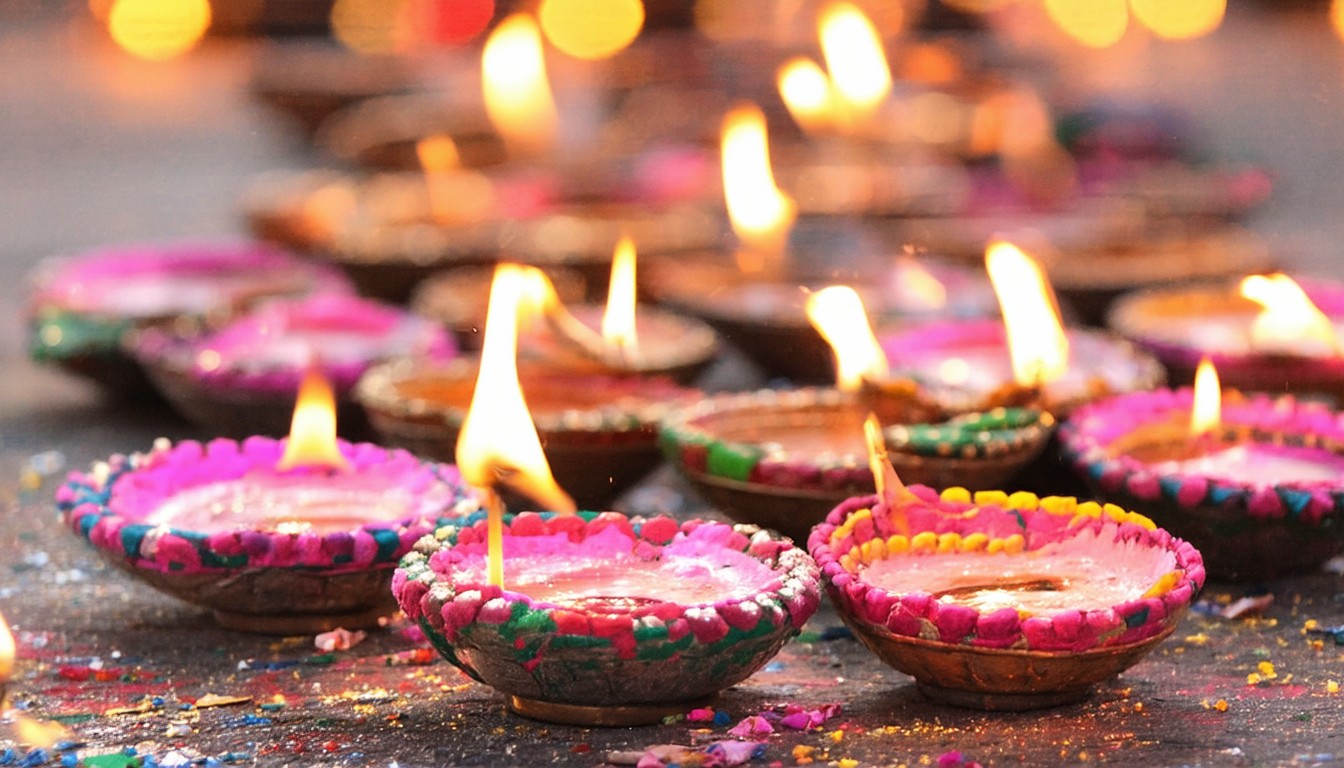
- Lakshmi Puja (Main Diwali): Families perform prayers to goddess Lakshmi, seeking wealth and fortune, and light hundreds of diyas (lamps).
- Govardhan Puja: Especially significant in northern India, honoring Lord Krishna’s protection of villagers.
- Bhai Dooj: Sisters celebrate their brothers with prayers and gifts, reciprocated by brothers’ blessings and promises of protection.
Contemporary Trends: How Diwali is Evolving
Diwali’s evolution mirrors broader social and environmental trends. In recent years, many urban families are opting for eco-friendly celebrations:
- Shifting from traditional fireworks to community light shows.
- Using biodegradable or reusable decorations instead of plastic.
- Choosing handmade or local sweets.
- Donating to charitable causes as part of Diwali giving.
This shift reflects greater awareness of environmental and social impact, as well as global dialogue around Indian cultural celebrations. In many Indian metros, stricter regulations on loud crackers aim to reduce pollution and promote safety.
Case in point, in 2023, several metropolitan regions including Delhi and Mumbai reported a substantial increase in sales of eco-friendly diyas and seeds-infused greeting cards, signifying a rising preference for sustainable celebration.
Diwali’s Economic and Social Impact
Diwali is not just a religious festival—it’s a major driver of economic activity across India and the global Indian diaspora. For retailers, confectioners, and e-commerce businesses, Diwali is akin to the Western holiday rush, with spikes in sales and advertising spend.
- Retail Surge: Electronics and gold jewelry sectors often record double-digit sales growth during Diwali month.
- E-commerce: Platforms like Amazon and Flipkart host Diwali-centric flash sales, driving record traffic.
- Small Businesses: Artisans, craftspeople, and sweet-makers see heightened demand for traditional products.
On a social level, Diwali is a catalyst for reconnecting with family, strengthening community ties, and philanthropic giving. Many organizations schedule charity drives and employee appreciation events to coincide with the festival week, underscoring Diwali’s role as a season of generosity.
Planning for Diwali 2025: Practical Tips
Whether you celebrate with your family or wish to experience Diwali’s magnificence for the first time, early preparation can make a substantial difference:
- Travel Bookings: With millions traveling during Diwali, it’s advisable to book tickets and accommodations months in advance.
- Shopping: Diwali sales and the ritual of new purchases make advance planning practical—especially for electronics, gifts, and household items.
- Cultural Events: Cities worldwide now host Diwali fairs, concerts, and food festivals; mark major events on your calendar to join in the festivities.
- Home Preparation: Cleaning and illuminating the home remains a central tradition, symbolizing a fresh start and welcoming prosperity.
By planning early, participants can focus more on the spirit of the festival and less on last-minute logistics.
Conclusion: Diwali 2025 in Contemporary Context
Diwali 2025, falling on October 20, promises yet again to blend ancient rhythms with contemporary choices. Its continued relevance—across spiritual, cultural, and economic realms—illustrates how the Festival of Lights moves with the times, adapting to the priorities and possibilities of each new year. As the date draws near, focusing on mindful celebration and community spirit will ensure that the festival’s true light continues to shine brightly for generations to come.
FAQs
When is Diwali 2025 celebrated?
Diwali 2025 will be celebrated on Monday, October 20. The five-day festival runs from October 18 (Dhanteras) to October 22 (Bhai Dooj).
Why does the date of Diwali change every year?
Diwali dates shift annually because the festival is calculated according to the Hindu lunar calendar, specifically the new moon night (Amavasya) in the month of Kartik.
How is Diwali celebrated in different parts of India?
While the lighting of lamps and prayers to Lakshmi are common throughout India, customs and rituals vary by region. Some areas emphasize Ramayana traditions, while others highlight Krishna legends or local deities.
What are eco-friendly Diwali practices?
Adopting eco-friendly Diwali options can include using natural diyas, supporting local artisans, reducing firecracker use, and choosing biodegradable decorations to minimize environmental impact.
Is Diwali celebrated outside of India?
Yes, Diwali is observed by Indian diaspora communities worldwide. Cities in the United States, UK, Canada, Singapore, and Australia commonly host large Diwali parades, light displays, and cultural programs.
What is the significance of each day of Diwali?
Each of the five days has special meaning, from welcoming prosperity on Dhanteras to celebrating sibling bonds on Bhai Dooj, with the core Diwali night centered on prayers for wealth, fortune, and new beginnings.