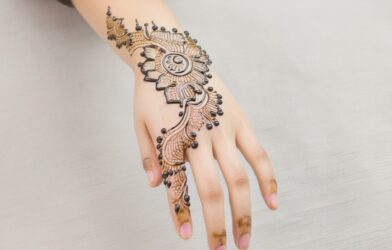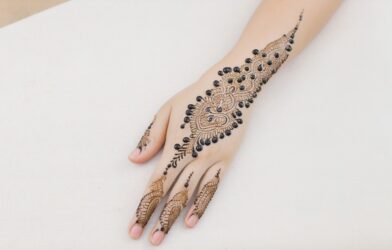



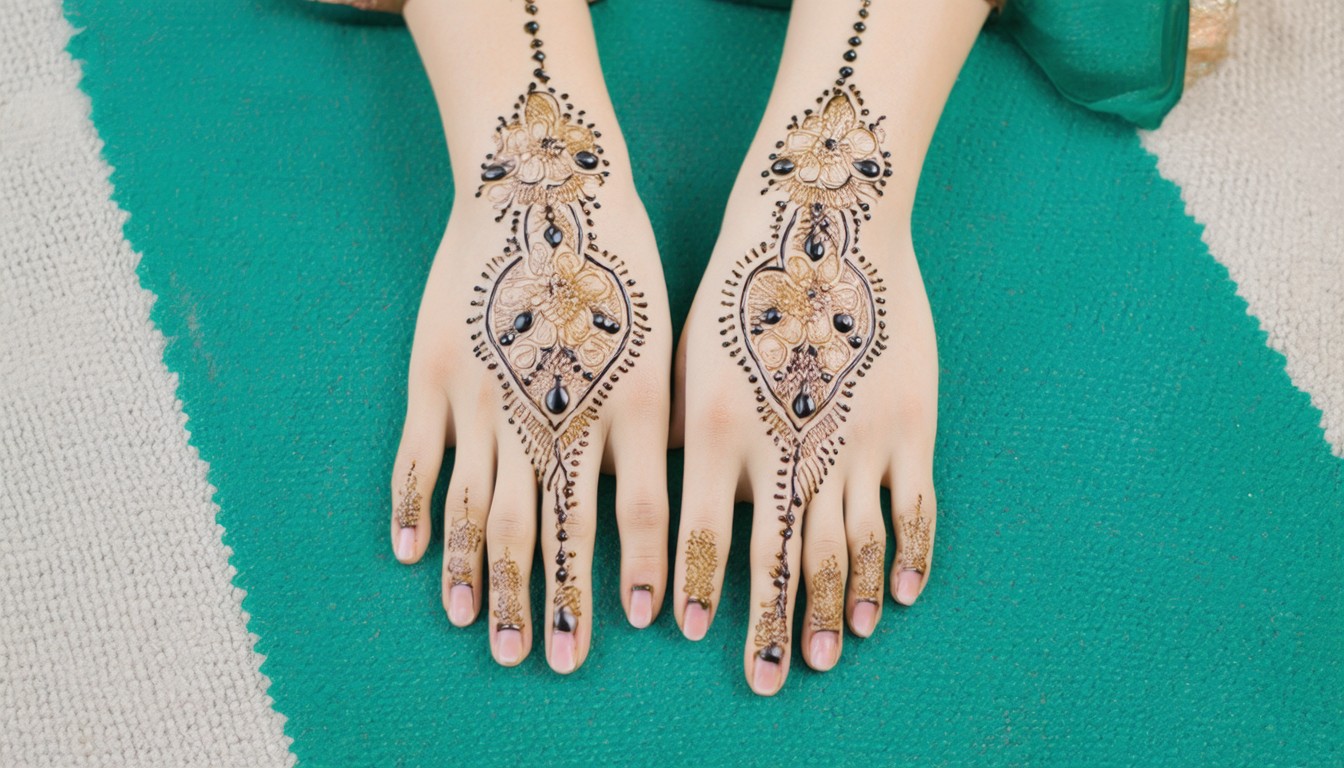
Arabic mehndi design, renowned for its graceful lines and botanical motifs, remains a dominant force in global henna artistry. Their sweeping patterns have enchanted wedding guests, festival-goers, and celebrities from Dubai to Mumbai, transforming hands and feet into living canvases. Yet, beyond aesthetic delight, these designs embody centuries-old traditions with an enduring influence on contemporary beauty culture.
Understanding Arabic Mehndi: Signature Elements and Evolution
Originating in the Middle East but now hugely popular across South Asia, the Arabian Peninsula, and far beyond, Arabic mehndi emphasizes simplicity and scenic imagination. Unlike intricate Indian bridal mehndi that can envelop the entire hand, Arabic patterns tend to be open, with considerable negative space. This style is typified by:
- Bold floral motifs, often inspired by nature
- Leafy vines and paisleys snaking along the palms and feet
- Asymmetrical arrangements for a dynamic look
- Speed of application, making it popular for last-minute events
Cultural experts note that this form has evolved in recent years, blending with Indo-Pakistani traditions to create hybrid styles. According to Sadaf Khan, an internationally recognized mehndi artist,
“Arabic mehndi designs offer a fresh perspective—balancing elegance with modern minimalism. The beauty lies in the flowing composition and the ability to adapt for any occasion, from Eid gatherings to weddings.”
Iconic Arabic Mehndi Patterns for Hands
Finger-Tip Detailing
One of the defining characteristics of Arabic mehndi on hands is accentuation of the fingertips. Often, floral trails climb diagonally from a single finger down toward the wrist, creating an illusion of elongated, graceful fingers. Minimalist dots and bands accompany these trails, offering visual contrast and versatility suitable for both everyday wear and festive occasions.
Central Motifs and Negative Space
Popular among younger generations, central motifs—a single bold flower, a mandala, or a set of geometric shapes—anchor the composition in the center of the palm. This approach takes advantage of negative space, giving a tattoo-like effect while keeping the design airy and sophisticated. For events like Diwali or engagement ceremonies, artists may use fine mesh or lattice elements to enhance the overall depth.
Full-Hand Arabic Mehndi for Brides
While Arabic mehndi is often less dense than its South Asian counterparts, full-hand adaptations for brides have grown popular. These combine the characteristic flowing vines with denser ornamentation near the wrists, sometimes resembling jewelry patterns. Ornate connector designs from one finger to the arm, inspired by bridal hathphool, offer a dramatic flair and ensure the bride’s hands stand out in photographs.
Arabic Mehndi Design Ideas for Feet
Though hands get the spotlight, henna for feet has a long-standing tradition—especially during weddings and Islamic festivals.
Anklet and Toe Motifs
Distinct Arabic designs for feet frequently mimic the look of anklets or jeweled payal, framing the ankle bone with swirls and miniature flowers. Simple trails along the edge of the foot or up the toes emphasize length and elegance, ideally suited for modern bridalwear.
Front-Foot Floral Trails
For pre-wedding parties or summer festivals, floral vines traversing the tops of the feet offer a contemporary twist. These patterns, often left asymmetrical (with one foot more decorated than the other), reflect both artistic creativity and personal expression.
Intricate Soles and Heel Designs
While less common, some brides request mehndi on the soles and heels, reserved for special rituals. Artists may incorporate mandalas or peacock-inspired elements here, displaying cultural heritage with a fresh, unexpected touch.
Modern Trends Shaping Arabic Mehndi
Beyond its timeless floral repertoire, Arabic mehndi increasingly absorbs trends from global fashion and digital influence.
Minimalism and White Mehndi
Driven by social media and the minimalist aesthetic of Gen Z, modern Arabic mehndi often features sparse lines, geometric patterns, and even white henna or body paint. These variants appeal to those seeking a standout look for destination weddings or photo shoots, yet with traditional resonance.
Fusion and Personalization
It is now common to see hybrid Arabic-Indian patterns, combining fine mesh detail with broad, flowing vines. Brides may request initials, sentimental symbols, or story-driven themes interwoven into classic designs. This customization echoes a broader beauty movement where self-expression is paramount.
Temporary Tattoos and DIY Kits
For global audiences—particularly in Europe and North America—pre-made Arabic henna stickers and DIY kits have democratized access. While not a replacement for fresh paste artistry, they reflect a wider trend: celebrating cultural beauty rituals in accessible, innovative ways.
Choosing the Right Arabic Mehndi Design: Occasion and Personal Style
Selecting a mehndi pattern is deeply personal. Some guiding factors include:
- Formality: Weddings and Eid often call for elaborate, symmetrical patterns; casual events may favor open, minimal styles.
- Outfit Coordination: Jewel-toned dresses pair beautifully with bold mehndi, while pastels suit lighter, airier motifs.
- Longevity and Skin Tone: Darker pastes and thicker lines make a bolder statement and last longer, especially for those with fair skin.
- Cultural Fusion: Consider blending Arabic themes with regional elements or integrating meaningful motifs, such as lotuses, peacocks, or religious symbols.
The Enduring Appeal of Arabic Mehndi
The universal charm of Arabic mehndi lies in its ability to marry tradition with ever-evolving artistry. Its open designs allow for creative freedom, while the deep-cast stains recall rituals stretching back generations.
As global beauty markets embrace multicultural influences, Arabic mehndi stands out for both its accessibility and deep-rooted heritage—a testament to its enduring allure for fashion-forward individuals and tradition-seekers alike.
FAQs
What makes Arabic mehndi designs distinct from Indian mehndi?
Arabic mehndi is characterized by bold, minimalistic designs with flowing floral and vine patterns, often leaving ample skin exposed. Indian mehndi, by contrast, features intricate, dense motifs covering the entire hand or foot.
How long does Arabic mehndi typically last?
With proper care, Arabic mehndi stains usually last one to two weeks. Longevity depends on skin type, paste quality, and how frequently the area is washed or exposed to water.
Can Arabic mehndi be applied for non-traditional events?
Absolutely. Its versatile and elegant styles suit everything from formal weddings to casual festivals and even modern photoshoots or parties.
Are there options for people with sensitive skin?
Many natural henna brands offer chemical-free, skin-friendly pastes. Always do a patch test beforehand, and consult the artist about ingredients to ensure safety.
Is DIY Arabic mehndi easy for beginners?
Thanks to simple patterns and online tutorials, many beginners successfully try Arabic mehndi at home. Start with basic floral trails and gradually practice more complex shapes for best results.