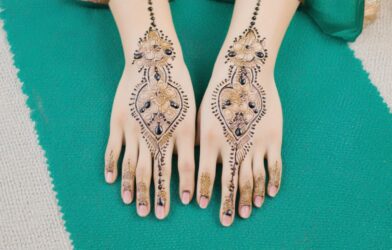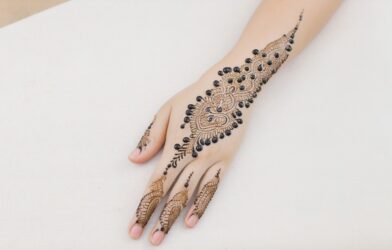



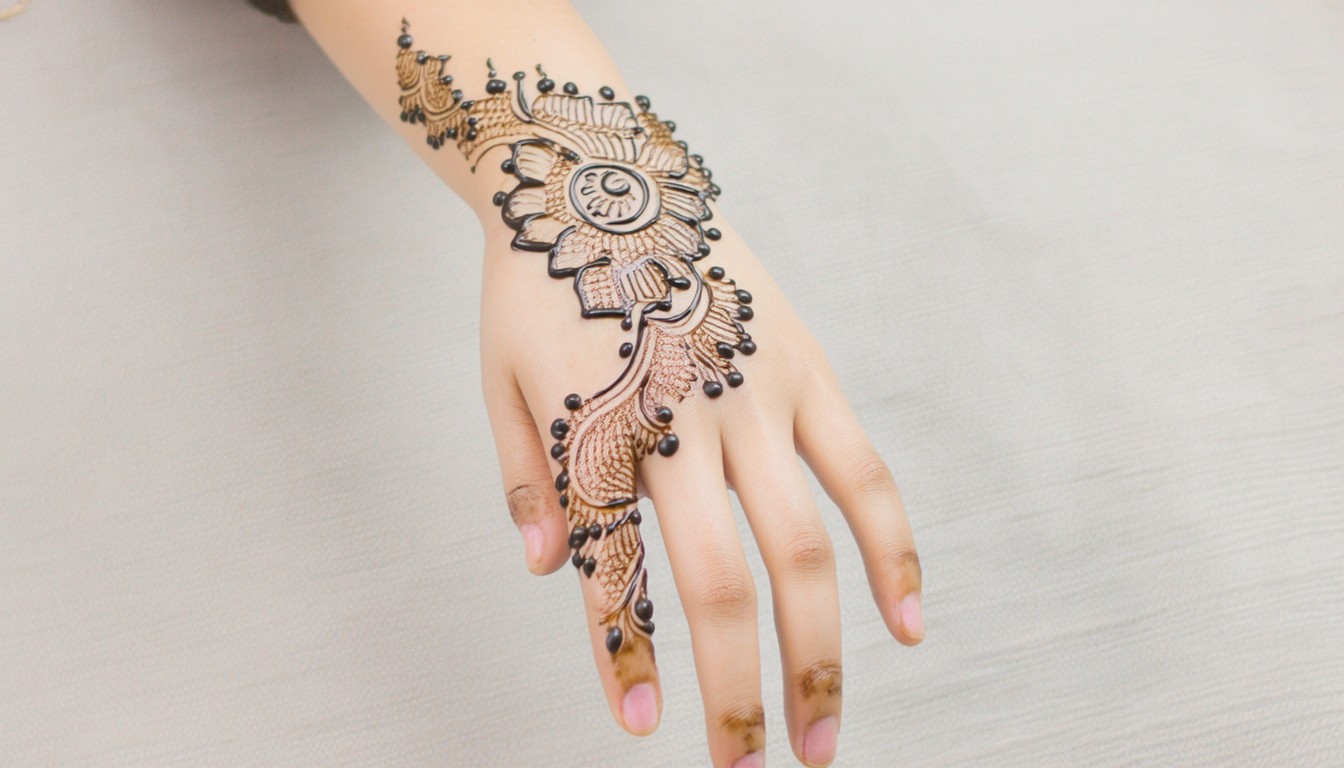
Back hand mehndi design has become an essential element of modern celebratory fashion, blending time-honored tradition with contemporary style. From festive occasions like weddings and Eid to casual gatherings and personal adornment, these intricate patterns enliven hands with artistry and symbolism. The global resurgence of interest in body art, coupled with social media’s influence, has made elegant back hand mehndi designs both popular and highly visible, inspiring artists and enthusiasts alike to experiment with heritage and glamour in equal measure.
Unlike palm-centric motifs, back hand mehndi designs often highlight jewelry-inspired patterns, negative space play, and wrist-to-finger continuity that doubles as both accessory and artwork. This unique canvas offers endless possibilities—making it a favorite for everyone from brides to fashionistas seeking a stand-out look.
Understanding the Evolution: From Tradition to Trend
Origins and Symbolism in Mehndi
Mehndi (henna) dates back thousands of years in South Asia, North Africa, and the Middle East—a symbol of beauty, blessing, and celebration. Beyond mere ornamentation, the practice holds cultural and spiritual significance. Its use on the back of the hand represented an outward display of joy and status, especially among women during significant life events.
While traditional mehndi featured motifs like paisleys, florals, and intricate fine lines, today’s designs on the back of the hand incorporate global influences. Modern artistry integrates geometric patterns, abstract elements, and even minimalist motifs, aligning with shifting tastes while honoring ritualistic roots.
Influences of Contemporary Fashion
Back hand mehndi design has also found synergy with fashion and jewelry trends. Finger bands, mandala cuffs, and chain-like links blur the line between wearable art and decorative jewelry:
- Minimalist Delicacy: Clean spaces, subtle dotting, and thin lines suit casual aesthetics and office settings.
- Maximalist Glamour: Bold, full-hand coverage with ornate detailing dominates wedding and festival looks.
- Fusion Elements: Western tattoo styles merge with classic henna forms, appealing to a broader, multicultural audience.
“The beauty of back hand mehndi lies in its versatility—it easily adapts to the wearer’s mood and occasion, making it both statement-making and deeply personal,” says Shinali Mohan, a renowned henna artist based in Mumbai.
Popular Styles of Back Hand Mehndi Design
1. Arabic Back Hand Mehndi
Characterized by free-flowing, asymmetrical patterns, Arabic mehndi often uses floral motifs, leafy trails, and intricate vine work. Its boldness suits those seeking eye-catching aesthetics without full coverage, making it a perennial favorite for both formal and informal settings.
2. Traditional Indian Back Hand Designs
Dense, elaborate, and symmetrical—traditional Indian mehndi covers the hand with peacocks, paisleys, and fine meshwork. Popular among brides, these designs often extend from the wrist to the fingertips, signifying joy, luck, and marital bliss.
3. Jewelry-Inspired and Bracelet Patterns
Mimicking the look of haath phool (hand jewelry), these designs create the illusion of bangles, rings, and chains. They have surged in popularity, particularly among younger generations who prefer a balance between tradition and modernity.
4. Geometric and Modern Minimalist
Modernists gravitate toward negative space, sharp angles, and abstract dotwork. These simplified motifs are quick to apply, long-lasting, and pair effortlessly with Western attire—making them a go-to for everyday occasions.
5. Fusion and Customized Styles
With increased cross-cultural exchange, artists now merge Moroccan, Indo-Arabic, and even tribal tattoo influences into bespoke back hand mehndi designs. Customization caters to personal narratives, initials, or even pop culture symbols, bringing a highly individualized touch to the artform.
Choosing the Right Back Hand Mehndi Design
Selecting a back hand mehndi design involves considerations beyond aesthetics:
- Occasion: Bridal and religious events typically call for more intricate, extensive designs, while casual parties may suit minimalist patterns.
- Skin Tone and Henna Stain: Deeper henna stains contrast beautifully on lighter skin, while subtle patterns look elegant on deeper skin tones.
- Time and Application: Complex, full-hand designs require more time and an experienced artist, whereas simpler styles can be achieved at home with practice.
In urban centers, many salons and freelance artists offer consultation sessions to guide clients through design selection, taking into account hand shape, nail length, and even outfit choice for a cohesive look.
Tips for Achieving a Long-Lasting, Vibrant Mehndi Stain
The longevity and vibrancy of mehndi depend on preparation, application, and aftercare:
- Prep the Skin: Exfoliate gently and avoid moisturizing the skin immediately before application.
- During Application: Use fine-tipped cones for detailed work on the back of the hand. Let the paste dry naturally, avoiding blow dryers or fans.
- After Application: Once the paste dries, seal with a lemon-sugar mix to deepen the stain, then let it stay on the skin for several hours (overnight if possible).
- Peeling, Not Washing: Scrape off the dried mehndi, avoid water for the first 24 hours, and moisturize with natural oils for richer color.
Experienced practitioners also suggest avoiding chlorinated pools immediately after application, as chlorine can fade the stain prematurely.
Real-World Stories and Inspiring Trends
Beyond the red carpet and runway, back hand mehndi design is making waves at local and global events. International celebrities have showcased henna-inspired designs during music festivals and fashion weeks, boosting its popularity far beyond traditional circles.
In Mumbai, wedding planners have noted a surge in custom back hand mehndi for both brides and their friends. Meanwhile, DIY tutorials on Instagram and YouTube empower enthusiasts worldwide to experiment with trends from bold geometric motifs to shimmering glitter-infused henna—a sign of how dynamic and accessible this art form has become.
“Gone are the days when mehndi was reserved just for weddings. Back hand designs now grace music festivals, fashion events, and even corporate galas—a testament to their versatility and universal appeal,” observes cultural analyst Priya Verma.
Conclusion: Celebrating Diversity and Expression
Back hand mehndi design stands at the intersection of tradition, artistry, and personal expression. Whether drawn for weddings, casual events, or simply as a form of creative self-care, it continues to evolve—shaped by cross-cultural inspiration and global fashion trends. The rise of bespoke, jewelry-inspired, and minimalist motifs ensures that there’s a design to complement every hand and personality.
Embracing the centuries-old tradition while welcoming modern innovation, back hand mehndi design remains a timeless adornment—a celebration of both heritage and individuality.
FAQs
What is the difference between front and back hand mehndi designs?
Front hand designs typically feature dense motifs on the palms and often traditional storytelling patterns, while back hand mehndi focuses on jewelry-like chains, rings, and wrist-to-finger continuity for a more decorative effect.
How long does back hand mehndi usually last?
When aftercare is followed, the stain usually lasts 7–10 days. Factors like skin type, application quality, and exposure to water or chemicals can affect longevity.
Can I apply back hand mehndi at home?
Yes, many simple designs can be self-applied with practice and the right tools. Fine-tipped cones and beginner-friendly templates are widely available to assist novices.
What styles are trending in back hand mehndi right now?
Minimalist line work, jewelry-inspired patterns, and fusion motifs combining global influences are especially popular. Customizations—like initials, small icons, or negative space—are also in vogue.
Are there any side effects to using mehndi on the skin?
Natural henna is safe for most people, but some black henna products contain chemicals that can cause irritation. Always use 100% pure henna and do a patch test if you have sensitive skin.
How do I make my back hand mehndi design darker?
For a deeper stain, leave the paste on as long as possible, avoid washing with soap initially, and use natural oils to moisturize. Applying a lemon-sugar mixture can also enhance the color.