


Discover the exact Navratri 2025 date, detailed Shardiya Navratri Puja tithi, and the spiritual significance behind this major Hindu festival. Explore history, rituals, and celebrations across India.
An Introduction to Navratri: More Than Just Dates
Navratri stands as one of the most vibrant and spiritually significant festivals in the Indian calendar, marked by nine nights of devotion, dance, and prayer. For millions, knowing the precise Navratri 2025 date is crucial not only for religious observance but also for organizing family gatherings, pujas, and community events. Unique to India’s vast cultural geography, Navratri weaves myth, tradition, and seasonal change into a celebration of the divine feminine energy or Shakti.
From small villages in Gujarat where dandiya nights light up local grounds, to metropolitan cities witnessing grand Durga Puja pandals, Navratri transforms the social and spiritual fabric of communities. The presence of ritual and celebration underscores how tradition and contemporary life coalesce, anchoring this festival’s timeless relevance.
Navratri 2025 Date: Shardiya Navratri Start and End Tithi
At its core, “Navratri” literally translates to “nine nights” and occurs twice a year, but the Shardiya (autumnal) Navratri is the most widely celebrated. In 2025, Shardiya Navratri is set to begin on Wednesday, September 24, and will end on Thursday, October 2. The festival is timed according to the lunar calendar, commencing from the Pratipada (first day) of the bright lunar fortnight of Ashwin (usually in September or October).
Key Tithis for Navratri 2025
For devotees, understanding the tithi (lunar day) matters as it guides the rituals, fasting, and special pujas performed each day. According to the Hindu Panchang:
- Ghatasthapana (Kalash Sthapana): September 24, 2025 (Pratipada), signifying the formal beginning and invocation of goddess Durga.
- Ashtami (Durga Ashtami/Maha Ashtami): October 1, 2025, celebrated with Mahagauri Puja and significant for Kanya Pujan.
- Navami (Mahanavami): October 2, 2025, culminating the Navdurga Puja and often marked by the famed Saraswati Puja in South India.
“Each tithi during Navratri encapsulates a distinct aspect of the Goddess Durga, making every day a unique spiritual journey for devotees.” – Dr. Arvind Joshi, scholar of Vedic traditions
Variations Across Regions
While the central rhythm of Navratri remains the same, specific dates and observances sometimes differ, reflecting local traditions. In Bengal and Eastern India, overlapping dates are dedicated to Durga Puja, culminating on Vijaya Dashami (Dussehra), symbolizing the victory of good over evil.
The Spiritual and Cultural Significance of Shardiya Navratri
Navratri’s resonance extends far beyond its calendar designation. Rooted in ancient myth and scripture, the festival is a meditation on feminine divinity, universal cycles, and the perennial battle between good and evil.
The Mythology of Navratri
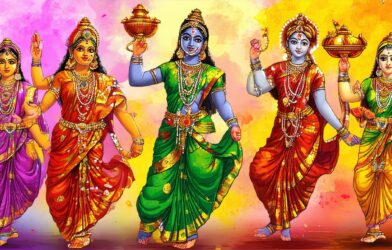
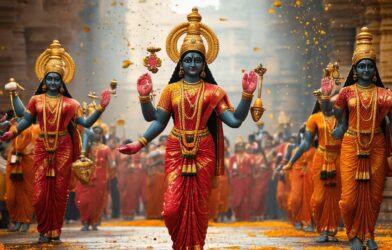
The most prominent narrative tells of goddess Durga’s epic battle against the demon Mahishasura. Over nine nights, each representing a different manifestation of Durga, she vanquished evil and restored balance. Each day’s worship corresponds to a specific form—from Shailputri to Siddhidatri—offering devotees a layered spiritual experience.
A Time of Renewal and Devotion
Navratri coincides with the end of monsoon and beginning of the harvest, symbolizing new beginnings and gratitude. Fasting, prayer, and community feasts both cleanse the body and fortify social bonds. Observances typically include:
- Daily ghatasthapana (kalash/urn installation)
- Recitation of sacred texts (Durga Saptashati)
- Thematic color codes for attire each day
- Energetic Garba and Dandiya Raas dances in Western India
- Social outreach and community service in many regions
Across urban centers, modern celebrations now also include art installations, eco-friendly pandals, and digital puja streaming—innovations responding to contemporary lifestyles.
Puja Rituals and Auspicious Practices: How Navratri Is Observed in 2025
Navratri rituals are a careful blend of tradition, symbolism, and precise timing. While daily prayers at home are common, temples and community spaces host elaborate ceremonies open to all.
Core Rituals and Offerings
- Ghatasthapana: The ritual of planting barley in a sacred vessel, believed to invoke the goddess and symbolize prosperity.
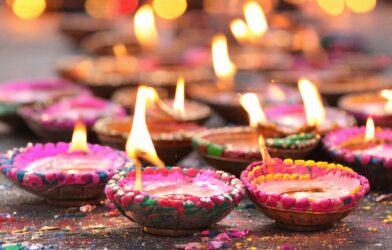
- Akhand Jyot: An unbroken flame is kept alight to signify divine energy and protection.
- Kanya Pujan: On Ashtami or Navami, nine girls—representing the nine forms of Durga—are venerated with gifts and traditional meals.
- Chanting and Bhajans: Each evening, devotees gather for communal singing celebrating Durga’s victories.
Fasting and Dietary Practices
Fasting customs during Navratri vary by community. While some devotees observe a strict fast, consuming only fruits and water, others follow a single vegetarian meal after sunset. In recent years, specialty Navratri foods—such as buckwheat kuttu rotis and sabudana khichdi—have inspired new culinary traditions, visible in urban kitchens and dining outlets across India.
Regional Festivities and Unique Practices
- Gujarat: Renowned for nightly Garba and Dandiya performances, attracting participants from across the globe.
- West Bengal: Navratri dovetails into grand Durga Puja celebrations, with intricate idols and cultural shows.
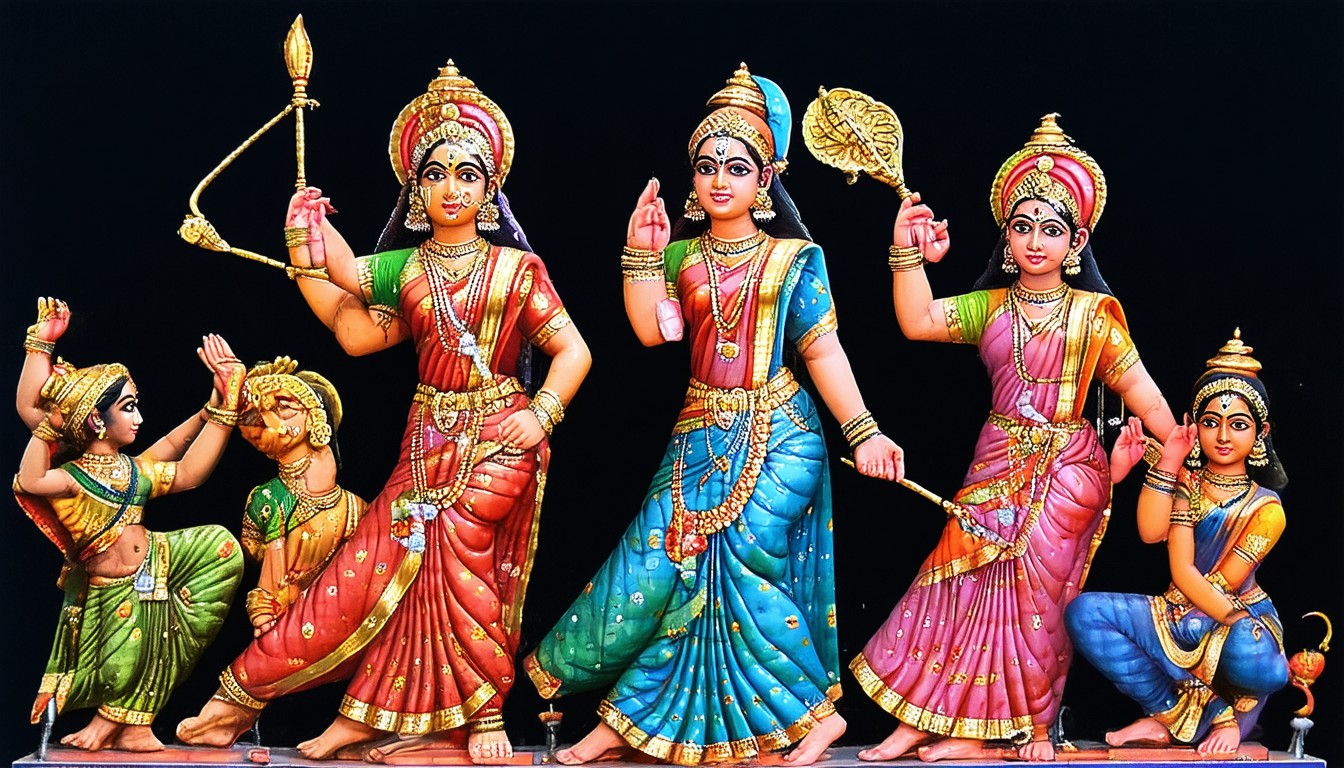
- Tamil Nadu and Karnataka: The Golu display of dolls, depicting mythological scenes, is an integral custom.
This geographic diversity demonstrates Navratri’s adaptive spirit—retaining its religious essence while embracing local narratives.
Navratri’s Impact on Society and Contemporary Trends
Navratri’s influence goes beyond devotion. The festival stimulates local economies through the surge in travel, retail purchases, and hospitality activities. According to industry estimates, seasonal spending on attire, decor, and puja essentials rises significantly, especially in large urban centers.
In practice, Navratri has also become a vehicle for addressing social causes. Environmental awareness campaigns, such as those advocating for eco-friendly idols and minimal-plastic celebrations, have gained traction. Moreover, digital innovations—like live-streaming of major pujas and virtual dandiya nights—ensure global participation, especially from diaspora communities.
“The resurgence of cultural festivals like Navratri fosters social cohesion and economic vibrancy while allowing traditional practices to adapt to a modern world,” notes cultural analyst Meera Sinha.
Conclusion: Embracing the Spirit of Navratri 2025
Shardiya Navratri 2025 promises nine days of powerful rituals, shared joy, and collective introspection. Whether observed through elaborate ceremonies or quiet home pujas, the festival’s essence lies in channeling the energy of renewal, devotion, and gratitude. Staying informed about the exact Navratri 2025 dates helps communities plan, prepare, and make the most of this auspicious period, strengthening the threads that connect tradition and contemporary life.
FAQs
When does Shardiya Navratri start and end in 2025?
Shardiya Navratri in 2025 will begin on Wednesday, September 24, and conclude on Thursday, October 2, following the Hindu lunar calendar.
What are the most important rituals during Navratri?
Essential Navratri rituals include Ghatasthapana (installation of a sacred urn), daily prayers, fasting, Kanya Pujan, and vibrant celebrations like Dandiya and Garba dances in certain regions.
Why is Navratri considered so significant in Hinduism?
Navratri honors the divine feminine energy (Shakti) and recalls goddess Durga’s triumph over evil, representing the victory of good and the renewal of life and spirit.
How do fasting and dietary customs differ during Navratri?
Fasting practices range from complete abstinence to specific restricted diets; many devotees avoid grains and meat, instead opting for fruits, tubers, and special flours suitable for fasting.
Are there regional differences in how Navratri is celebrated?
Yes, different regions observe unique rituals: Gujarat is famous for Garba, Bengal hosts Durga Puja, and South India features Golu doll displays, reflecting Navratri’s diversity across India.