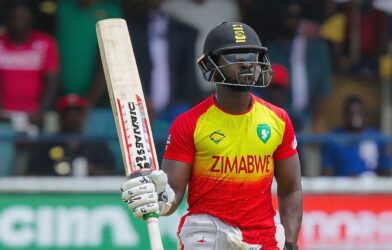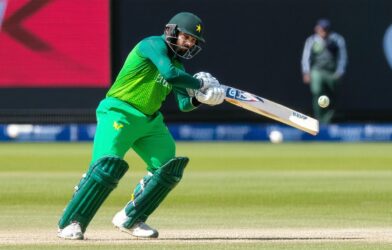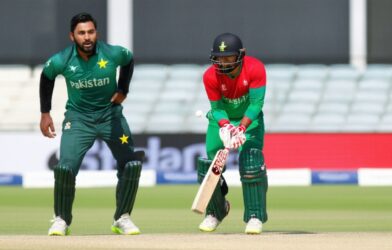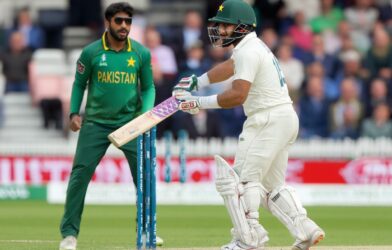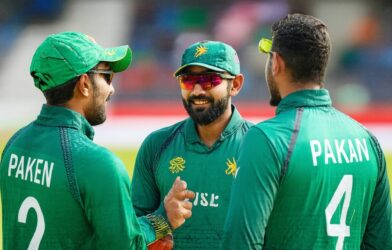



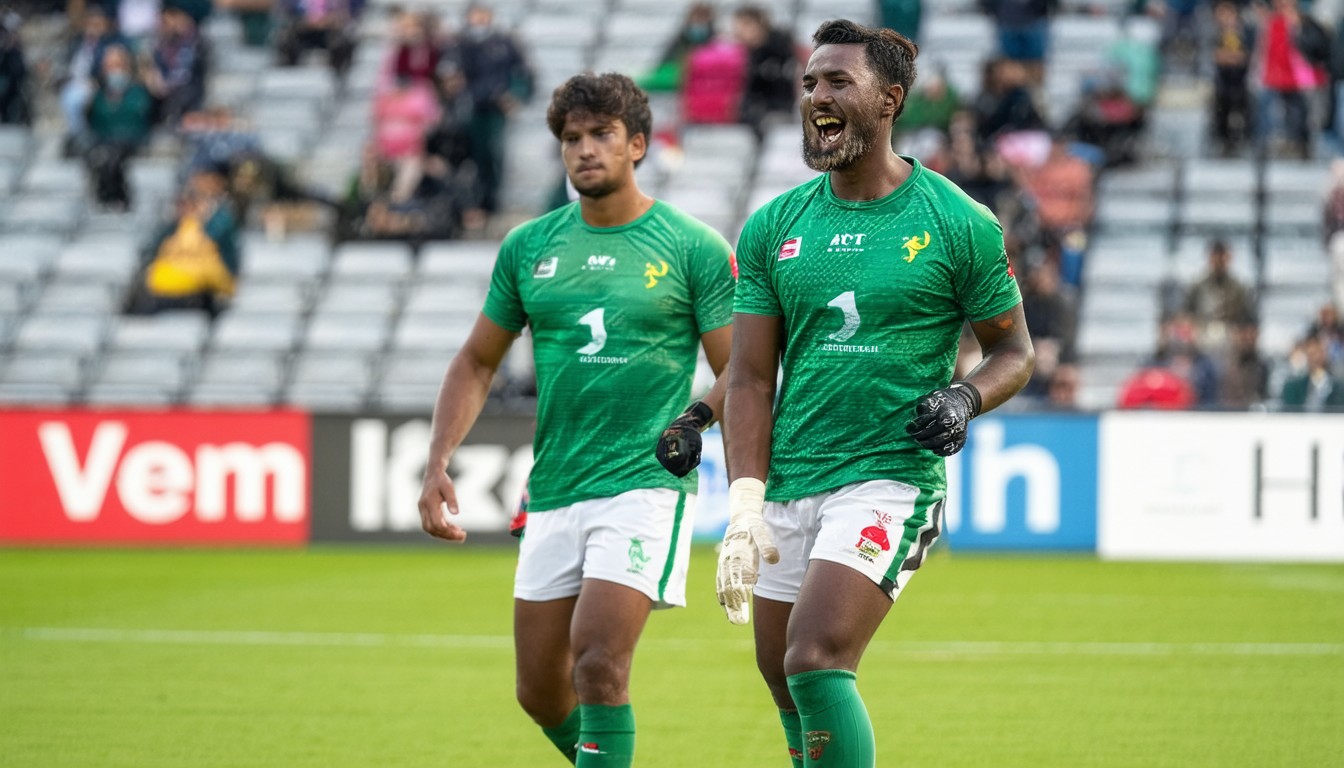
When Pakistan faces Oman on the cricket field, it isn’t just a clash between two teams but a compelling chapter in the evolving story of international cricket. The “Pak vs Oma” match draws keen interest from analysts, fans, and emerging cricket nations alike. Pakistan, with its legacy of fast bowling and world-class talent, approaches the contest as a titan of the sport. Oman, on their part, represent the growing ambitions and upward trajectory of associate nations—a symbol of cricket’s global expansion. This match promises to blend experience, unpredictability, and the drama that only cricket can deliver.
Head-to-Head Analysis: A Tale of Two Journeys
Cricketing history tilts heavily towards Pakistan, a side boasting decades of international exposure and an envious trophy cabinet. Comparatively, Oman is a relatively new entrant into the world stage. Head-to-head records highlight this gap, with Pakistan having won all official men’s T20 meetings between the teams prior to their most recent encounters.
However, experience on paper does not always guarantee a walkover. Oman has steadily built a reputation for causing upsets—famously making a mark in global T20 qualifiers and consistently pushing higher-ranked teams. Their rise demonstrates how ‘minnows’ can transform into challenging opponents in limited-overs formats.
The corresponding strengths and vulnerabilities evident in both sides create a dynamic narrative:
- Pakistan: Deep bench strength, tactical flexibility, and a potent bowling line-up known for swinging early breakthroughs.
- Oman: Agile fielding, a risk-taking batting approach, and a history of capitalizing on opponents’ complacency.
“Matches between established powers and rising cricket nations are about more than the result—they’re benchmarks of development and belief,” notes a seasoned cricket analyst.
Recent Form and Statistical Trends
Recent form plays a significant role in dictating pre-match expectations, providing valuable clues about momentum and adaptability under pressure.
Pakistan: Champions Seeking Consistency
Pakistan’s form in the shortest format alternates between brilliance and inconsistency. The team wields match-winners like Babar Azam and Shaheen Shah Afridi, but also battles volatility, especially when adapting to unfamiliar conditions. Over the last year, their T20 international record shows a blend of high-scoring wins and surprising losses, often dictated by top-order stability.
- Strengths: Explosive starts, pace attack dominance, experienced middle order.
- Pain Points: Occasional batting collapses, especially against spin, and fielding lapses that can shift momentum.
Oman: The Steady Climbers
Oman has cemented its place as an associate powerhouse, particularly through consistent performances in international qualifiers and regional tournaments. Their victory over established teams in Asia Cup qualifiers and T20 World Cup preliminary stages echoes a disciplined, fearless approach.
- Strengths: Top-order partnerships, disciplined seam bowling, and agility in the field.
- Challenges: Lower-order depth and less exposure to high-pressure situations against Test-playing nations.
Oman’s key players—such as Jatinder Singh and Khawar Ali—frequently feature in ICC statistics for associate nations, illustrating the team’s growing stature.
Key Players and Match-Ups to Watch
The fixture’s narrative is shaped not just by systems, but by the game-changing abilities of individual cricketers.
Pakistan’s X-Factors
- Babar Azam (Captain/Batsman): Renowned for his classical technique and scoring consistency, Babar remains Pakistan’s linchpin.
- Shaheen Shah Afridi (Fast Bowler): Among the world’s most lethal new-ball bowlers, capable of dismantling batting line-ups with early wickets.
- Mohammad Rizwan (Wicketkeeper-Batsman): A dynamic presence in the top order, often setting the platform for innings acceleration.
Oman’s Rising Stars
- Jatinder Singh (Batsman): Known for quick starts and ability to pace larger chases even against quality bowling.
- Khawar Ali (All-rounder): Provides balance with both bat and ball, a key figure in pressure situations.
- Bilal Khan (Bowler): Consistently among the leading wicket-takers in ICC qualifying cycles, renowned for accuracy and composure at the death.
Mini-Contests Within the Match
While every player’s performance counts, certain contests will carry disproportionate influence. For instance:
- Pakistan’s opening bowlers vs Oman’s top three: Early breakthroughs could cripple Oman’s ambitions.
- Spin duel: Oman’s spinners vs. Pakistan’s middle order—a battle likely to determine control between overs 7–16.
Strategies and Tactical Levers
Both teams bring contrasting strategies tailored to their strengths and adaptable to match situations.
Pakistan’s Tactical Blueprint
- Powerplay Supremacy: Leverage pace to secure early wickets.
- Flexible Batting Order: Ability to promote hitters based on context, maximizing phase-specific run rates.
- Aggressive Field Placements: Rely on experienced bowlers to exploit weaknesses in Oman’s line-up.
Oman’s Gameplan for an Upset
- Measured Aggression: Building partnerships early before accelerating through the middle overs.
- Spin Utilization: Deploying their spinners to disrupt Pakistan’s aggressive batsmen, particularly on turning tracks.
- Sharp Outfielding: Limiting easy singles and forcing error-driven wickets through pressure.
In practice, both sides must remain adaptable—adjusting to pitch conditions, dew factors, and real-time momentum swings.
Broader Significance and What’s at Stake
The Pak vs Oma contest extends well beyond the immediate result. For Pakistan, it’s about reinforcing dominance and ironing out kinks before tougher fixtures. For Oman, it serves as a yardstick for progress and an opportunity to inspire the next generation of cricketers back home.
In a broader sense, such matches are crucial for cricket’s global growth. They offer emerging nations exposure to elite-level competition and add valuable diversity to international schedules. Just as importantly, these encounters often produce memorable moments that galvanize fan bases and spotlight new talent.
“Emerging teams have shown time and again that upsets are possible, making international tournaments richer and more unpredictable,” observed a leading ICC commentator.
Conclusion: Anticipation and Opportunity
The Pak vs Oma match preview presents more than a straightforward clash—it’s a showcase of heritage meeting ambition. While Pakistan’s pedigree makes them favorites on paper, cricket’s ever-evolving dynamics mean Oman cannot be discounted. The head-to-head records, form guides, and tactical nuances all point to a contest worth watching—for purists and casual fans alike.
In the end, matches like these define the future trajectory of the sport by enabling smaller cricketing nations to share the main stage and test their mettle against established giants.
FAQs
Q1: How often have Pakistan and Oman faced each other in official cricket matches?
Encounters between Pakistan and Oman in official T20 internationals have been limited, with Pakistan winning each meeting to date; however, Oman’s profile has risen with more frequent appearances at major ICC events.
Q2: Who are the key players to watch in the Pak vs Oman match?
Babar Azam and Shaheen Afridi stand out for Pakistan, while Jatinder Singh and Khawar Ali are pivotal for Oman. Each brings a unique skill set that could shift the game’s balance.
Q3: What are the main strengths of the Pakistan cricket team against Oman?
Pakistan’s major strengths include a world-class pace attack, batting depth, and adaptability to match situations, making them credible favorites.
Q4: Has Oman ever achieved a surprise win over top cricket nations?
Oman has made headlines with unexpected wins, especially during T20 World Cup qualifiers, but they seek a landmark victory over teams of Pakistan’s caliber to further elevate their status.
Q5: Why is this match significant in the context of international cricket?
This fixture underscores cricket’s global expansion, providing a platform for associate nations like Oman to face established teams and contribute to the sport’s competitive diversity.
Q6: How can Oman bridge the gap with teams like Pakistan in future games?
Continued investments in grassroots development, exposure to high-pressure scenarios, and nurturing homegrown talent are essential for Oman to close the gap competitively.