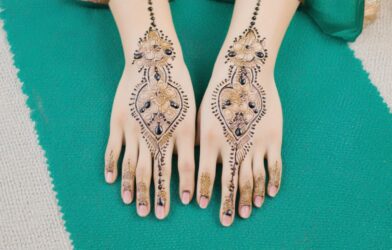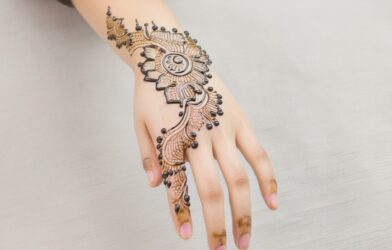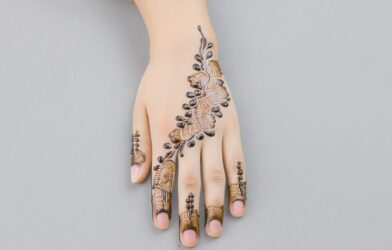



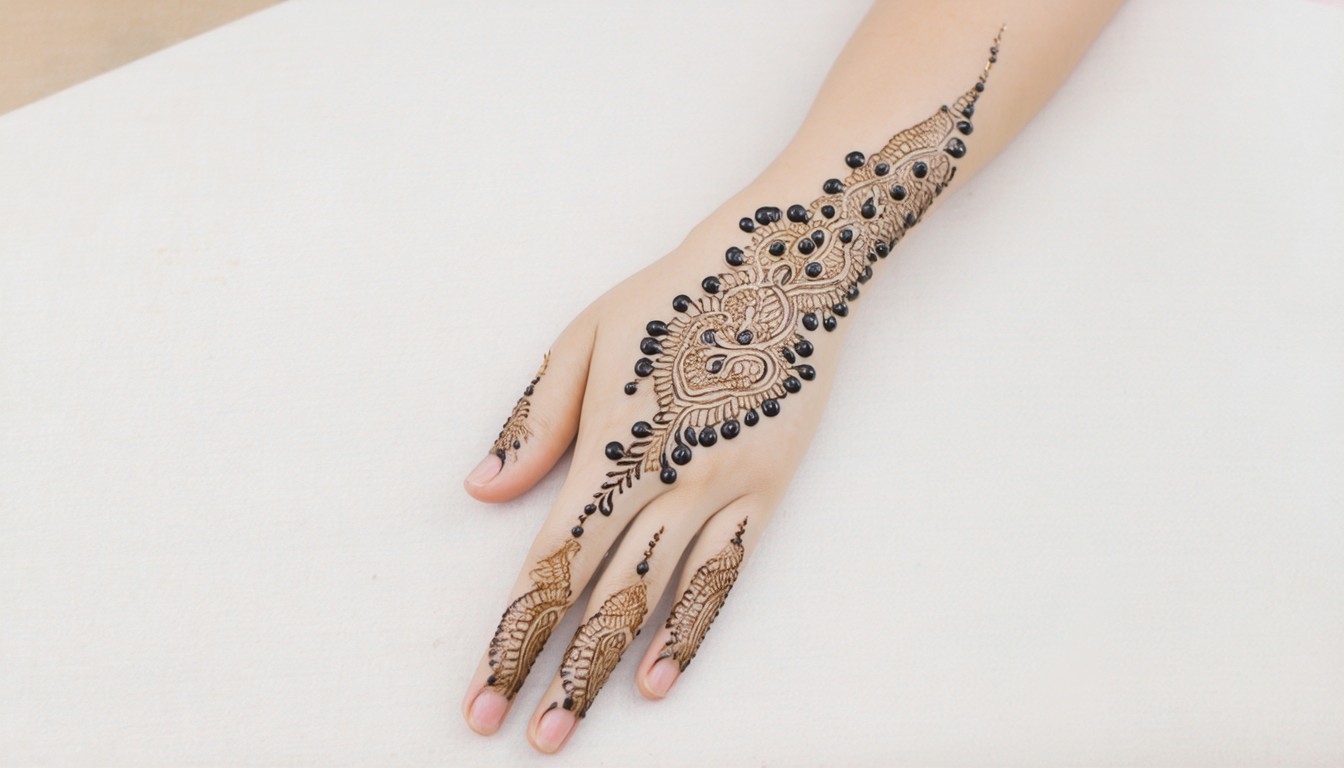
Intricately etched onto skin, mehndi designs have long served as emblems of celebration, tradition, and elegance across South Asia and the Middle East. Within this age-old art form, royal front hand mehndi designs have a unique reputation: opulent patterns inspired by regal heritage, meticulously crafted to create an unmistakable aura of sophistication.
From grand weddings to festivals like Eid and Diwali, these designs continue to capture the imagination of brides, henna artists, and style enthusiasts. Behind their popularity is a blend of cultural resonance and contemporary revival, neatly tying together tradition with modern flair. What, then, distinguishes a royal front hand mehndi design—and why do these luxe patterns continue to inspire millions worldwide?
What Defines a Royal Front Hand Mehndi Design?
A royal front hand mehndi design is not just about elaborate motifs—it’s an experience, a statement, and a showcase of artistic mastery. Typically, these patterns feature a harmonious marriage of classic and contemporary elements. Hallmarks include:
- Dense detailing: Jali work (net patterns), paisleys, florals, and Mughal-inspired frames.
- Symmetrical layouts: Perfectly balanced designs on both hands reflect expert-level skill.
- Ornate centers: These often anchor the design, radiating outward with fine fills and miniature motifs.
- Fingers as canvases: Intricate tapering on fingers mimics the look of royal jewelry.
Beyond aesthetics, these designs are steeped in symbolism. In Indian bridal traditions, for instance, mehndi is believed to bring blessings, enhance beauty, and express joy.
Evolution Through Eras
The roots of royal mehndi can be traced back to ancient dynasties, when decorative henna was prized by queens and aristocrats. Historical manuscripts and palace murals reveal stylized motifs—peacocks, vines, and geometric shapes—signifying fertility, prosperity, and spiritual unity.
In contemporary times, social media has reinvigorated these motifs. Brides and influencers now blend vintage grandeur with personalized touches, such as initials and story-telling elements, creating a new genre of bespoke mehndi art.
Elements and Motifs in Modern Royal Designs
Distinctive features set royal front hand mehndi designs apart from everyday patterns. Several recurring motifs shape the visual grammar of these designs:
Jali and Mandala Patterns
Jali (net-like lattice work) and mandalas are staples in regal henna, symbolizing both tradition and infinity. Artists often use precision cones and fine tips to achieve seamless repetitions. Such elements offer a “wow” factor, but they also require extreme patience and a steady hand.
Mughal-Inspired Borders and Frames
Drawing from centuries-old court aesthetics, Mughal-inspired frames add architectural grandeur. These borders, reminiscent of palace archways, structure the design and emphasize symmetry on the palm and fingers.
The Play of Negative Space
Unlike dense all-over fills, contemporary royal designs often incorporate negative space or “open” areas. This approach both highlights detailed segments and imparts a lightness that is especially popular for summer weddings.
“A well-composed royal front hand mehndi design balances intricate highlights with thoughtful spaces, creating a look that’s both majestic and wearable,” notes Shaheen Siddiqui, an acclaimed bridal mehndi artist based in Mumbai.
The Contemporary Appeal: Trends and Influences
Today’s demand for royal front hand mehndi design reflects wider changes in fashion and cultural events. Influencers and celebrities have propelled dramatic, palace-inspired designs back into the spotlight. Bollywood weddings, in particular, often feature hour-long “mehndi ceremonies” where the bride’s hands are lavished with intricate royal motifs. Notable recent examples include high-profile celebrations in India and the Middle East, where elaborate mehndi sets the tone for luxury and festivity.
Personalization and Storytelling
Modern brides increasingly seek personalization within the traditional structure. From inscriptions of special dates to representations of couple narratives, the royal style adapts to contemporary storytelling.
Beyond Bridal: Festivals and Global Reach
While bridal events remain the largest stage for these designs, festivals like Karva Chauth and Eid have popularized the royal aesthetic. Moreover, the spread of South Asian diaspora communities worldwide has made royal mehndi a fixture at international fashion shows, pop-up events, and even digital tutorials.
The Artistry Behind Creating the Look
Executing a royal front hand mehndi design demands both artistry and rigor. Only skilled mehndi artists can maintain symmetry and flow across the palm and fingers. Key steps include:
- Drafting: A rough layout is sometimes sketched for perfect proportion.
- Outlining: Artists use ultra-fine cones to mark major motifs and borders.
- Filling: The core artistry lies in dense fillers—tiny florals, paisleys, and dots.
- Finishing Touches: Highlighting, shading, and subtle embellishments complete the look.
Working with natural henna paste—made from the Lawsonia inermis plant—ensures rich, lasting color and minimizes risks of staining or allergy compared to chemical-based alternatives.
Maintenance and Longevity
Royal designs are not just about application; aftercare matters too. Leaving henna on for at least six to eight hours and following traditional remedies, such as applying a lemon-sugar glaze, can deepen the color and extend longevity.
Incorporating Royal Designs into Your Occasion
Selecting the right royal front hand mehndi design hinges on personal style, event theme, and patience for detailed artistry. Brides often book top artists months in advance, collaborating to create unique cones that echo jewelry, attire, or family heritage.
Tips for a Showstopping Result
- Consult early: Share references and desired motifs with your artist.
- Factor in attire: Choose patterns that complement dress embroidery or jewelry.
- Prioritize comfort: Dense fills can feel heavy; select openwork if you prefer lightness.
- Plan for time: Intricate royal designs may take several hours.
Conclusion: A Testament to Legacy and Innovation
Royal front hand mehndi designs endure because they effortlessly unite tradition, art, and modern self-expression. Whether witnessed on a bride’s palm or a festive reveler’s hand, these designs serve as living testaments to heritage—while continually evolving to mirror new stories and trends. Choosing a royal pattern is about more than beauty; it is a celebration of craftsmanship, history, and the promise of new beginnings.
FAQs
What makes a mehndi design “royal” or regal?
Royal mehndi designs typically feature dense detailing, symmetry, and motifs inspired by historic palaces and artefacts. They stand out due to their grandeur and the skill required to execute them.
How long does a royal front hand mehndi design take to apply?
Depending on complexity, these designs can take anywhere from two to six hours for both hands, as artists work painstakingly on fine detailing and balance.
Can royal designs be customized for modern tastes?
Absolutely. Many artists personalize traditional frameworks with initials, meaningful motifs, or unique storytelling elements to reflect the wearer’s preferences and story.
Which occasions are best suited for royal front hand mehndi designs?
While these designs are most popular at weddings and engagements, they are also sought after during major festivals, family celebrations, or any event where an elegant and regal touch is desired.
Are royal mehndi designs suitable for beginners to apply?
Due to their complexity and emphasis on symmetry, royal designs are best handled by experienced artists, but simplified versions can be attempted by practicing core motifs and working gradually on intricacy.