


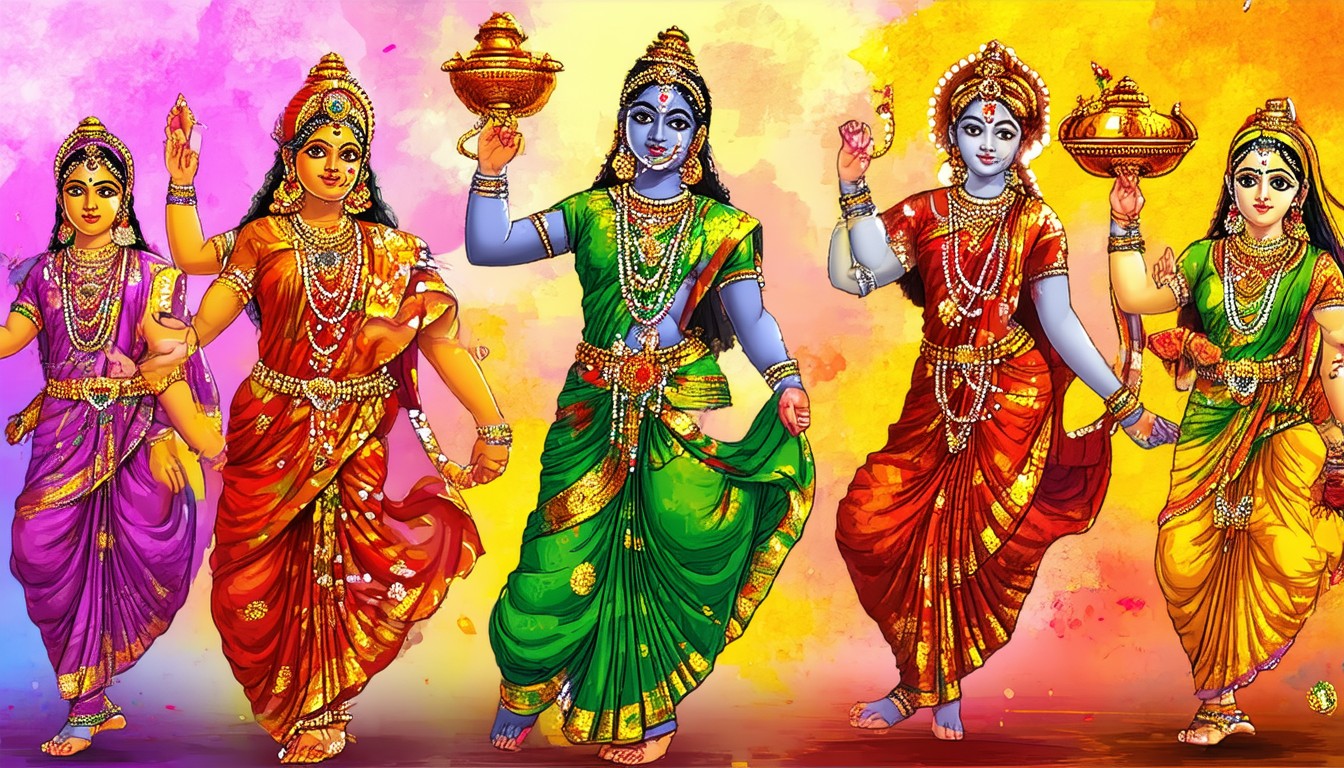
Celebrated across India and in many communities worldwide, Navratri is a nine-day festival revering the divine feminine in her various forms. In 2025, Navratri is set to evoke not just spiritual fervor, but also a vibrant spectrum of traditions reflected in the distinct Navratri colours for each day. Beyond worship and rituals, the festival has shaped social trends, fashion choices, and marketplace dynamics as millions align with the palette symbolizing the goddess’ virtues and blessings.
The tradition of linking specific colours to each day of Navratri is rooted in ancient customs and storytelling. Each colour signifies a particular attribute of the goddess being worshipped—be it power, prosperity, wisdom, or compassion. Over the years, following the Navratri colours list has become a means of infusing collective participation, with families, offices, and public spaces draped in coordinated hues.
Navratri Colours 2025: The 9 Days and Their Significance
Each of the nine days of Navratri, also known as Sharad Navratri, honors a different manifestation of Goddess Durga. The assigned colours change each year depending on the weekday the festival starts. Below is the anticipated sequence of Navratri colours for 2025, reflecting the most widely accepted traditions:
Day 1: Pratipada – Orange
Significance: Orange embodies energy, optimism, and joy, celebrating the awakening of divine consciousness.
Devotees dress in orange to mark new beginnings and invoke positive vibrations. Marketplaces see a surge in orange apparel and home décor, signaling the festive onset.
Day 2: Dwitiya – White
Significance: White stands for purity, serenity, and peace.
Clothing and community altars take on an air of calm; white is favored for worship to honor the goddess Brahmacharini, representing spiritual enlightenment.
Day 3: Tritiya – Red
Significance: Red is the colour of passion, strength, and devotion.
Red becomes prominent in traditional attire and decorations, symbolizing the power and determination of Chandraghanta, the goddess worshipped on this day.
Day 4: Chaturthi – Royal Blue
Significance: Royal blue signifies power and divine energy.
This vibrant hue encourages confidence and ambition, mirroring the goddess Kushmanda’s boundless cosmic energy.
Day 5: Panchami – Yellow
Significance: Yellow conveys happiness, learning, and growth.
Yellow sarees and kurtas dominate gatherings; the colour evokes the wisdom of goddess Skandamata and brings a sense of joy.
Day 6: Shashti – Green
Significance: Green is symbolic of fertility, harmony, and refreshment.
Communities incorporate green into garments and offerings, tapping into the healing and nurturing qualities of Katyayani.
Day 7: Saptami – Grey
Significance: Grey reflects balance and transformation.
On this day, worshippers seek inner strength to rise above adversity, with grey attire underlining the transformative spirit of goddess Kalaratri.
Day 8: Ashtami – Purple
Significance: Purple denotes ambition, power, and peace.
Purple resonates with followers aspiring for success, inspired by the serenity and might of goddess Mahagauri.
Day 9: Navami – Peacock Green
Significance: Peacock green signifies fulfillment, compassion, and the completion of spiritual journeys.
As the festival culminates, this unusual yet majestic shade celebrates the blessings of goddess Siddhidatri, bringing the nine-day observance to a vibrant close.
“The tradition of wearing a different colour each Navratri day does more than foster community spirit; it harmonizes the worshipper’s mindset with the goddess’s attributes, deepening both individual and collective devotion,” notes Dr. Nandita Bhattacharya, a scholar of Indian spiritual festivals.
Real-World Impact: From Social Trends to the Fashion Industry
The Navratri colours list has extended its influence far beyond temples and homes. In urban India and across diaspora communities, daily themes inspire office dress codes, neighborhood cultural events, and even school celebrations. Social media is abuzz each year, with millions posting #NavratriLooks and sharing creative interpretations of the daily colours.
Retail and fashion sectors have tapped into this annual phenomenon, launching curated Navratri collections well ahead of the season. Designers and clothing brands—both boutique and mass-market—roll out capsule wardrobes that blend traditional silhouettes with seasonal palettes. This synergy of ritual and style offers a commercial edge while honoring tradition.
A notable case: clothing retailers in metros such as Mumbai, Ahmedabad, and Surat report a significant surge in footfall during Navratri, with double-digit growth in ethnic wear sales compared to other months. Similarly, jewelry and accessory brands showcase colour-focused lines, featuring pieces that match or complement the day’s designated hue.
The Deeper Significance: Colours as a Framework for Devotion
While the vibrancy of Navratri colours is visually captivating, their underlying symbolic meaning forms the festival’s emotional core. Each shade encourages introspection, aligning daily prayer with the goddess’s unique qualities and life lessons. This structured journey—from energetic orange to contemplative peacock green—provides a pathway for personal growth and communal harmony.
Beyond the surface, spiritual experts emphasize the interplay of colour psychology and ritual practice. Dr. Bhattacharya elaborates that colours impact mood, mental focus, and collective intention—a fact mirrored in studies of traditional Indian wellness frameworks.
Moreover, associating a specific colour with each phase helps devotees, especially children and younger generations, connect with deeper concepts of resilience, humility, and gratitude. It transforms the festival from a series of rituals into a transformative experience grounded in both aesthetics and ethics.
Practical Tips: How to Incorporate Navratri Colours 2025
For those planning to participate, aligning with the Navratri colours 2025 requires a mix of creativity and intent. Here are some practical steps:
- Plan attire in advance: Review the colour list and organize outfits ahead of time to avoid last-minute stress.
- Accessorize: Even simple touches—scarves, bangles, pocket squares—can make a powerful statement.
- Group coordination: In families, offices, or communities, coordinate looks to amplify the festive atmosphere.
- Decor: Incorporate the day’s colour into home décor with flowers, rangoli, and table settings.
- Share and inspire: Engage on social media to share your interpretations and connect with a wider community.
Many find that integrating everyday objects—cushions, candles, or crockery—can be just as meaningful as traditional attire in upholding the spirit of the festival.
Conclusion: Celebrating Navratri Through Colour and Community
Navratri 2025 promises another inspiring journey through a tapestry of meaningful colours, each inviting renewed devotion and cultural pride. As families and communities across the world prepare to honour the goddess, the daily hues serve as beacons—guiding emotions, encouraging reflection, and sustaining the joyous pulse of the season.
In essence, the Navratri colours list is more than a tradition; it is a bridge connecting spiritual heritage, contemporary celebrations, and the collective Indian identity. Aligning with these customs, whether through elaborate ceremonies or simple gestures, fosters a sense of unity, reverence, and creative joy.
FAQs
What are the Navratri colours for 2025?
The expected Navratri colours for 2025, following general tradition, are: Day 1 – Orange, Day 2 – White, Day 3 – Red, Day 4 – Royal Blue, Day 5 – Yellow, Day 6 – Green, Day 7 – Grey, Day 8 – Purple, and Day 9 – Peacock Green. These colours are commonly observed, but regional variations may exist.
Why do Navratri colours change each year?
The sequence of Navratri colours is determined by the weekday on which the festival starts, leading to shifts in the order annually. This dynamic system keeps the practice connected to the lunar calendar and local customs.
How do people celebrate Navratri using the daily colours?
Individuals often wear outfits or accessories matching the day’s specific colour, decorate homes and altars accordingly, and coordinate with groups or workplaces to create a joyful and unified celebration.
Can I participate in Navratri colours if I’m not Indian or Hindu?
Yes, many non-Indians and people from diverse faiths join in the joy of Navratri by observing the colour themes, attending events, and learning about the festival’s values of gratitude and renewal.
Is there a spiritual benefit to following the Navratri colours list?
Many believe that aligning with the daily colours enhances focus, amplifies devotional energy, and anchors participants in shared cultural symbols, deepening the overall spiritual experience.
Are the colours the same in all regions?
While the general sequence is widely followed, some areas or communities may have slight variations in tradition or interpretation; it’s always meaningful to respect local customs and guidance.